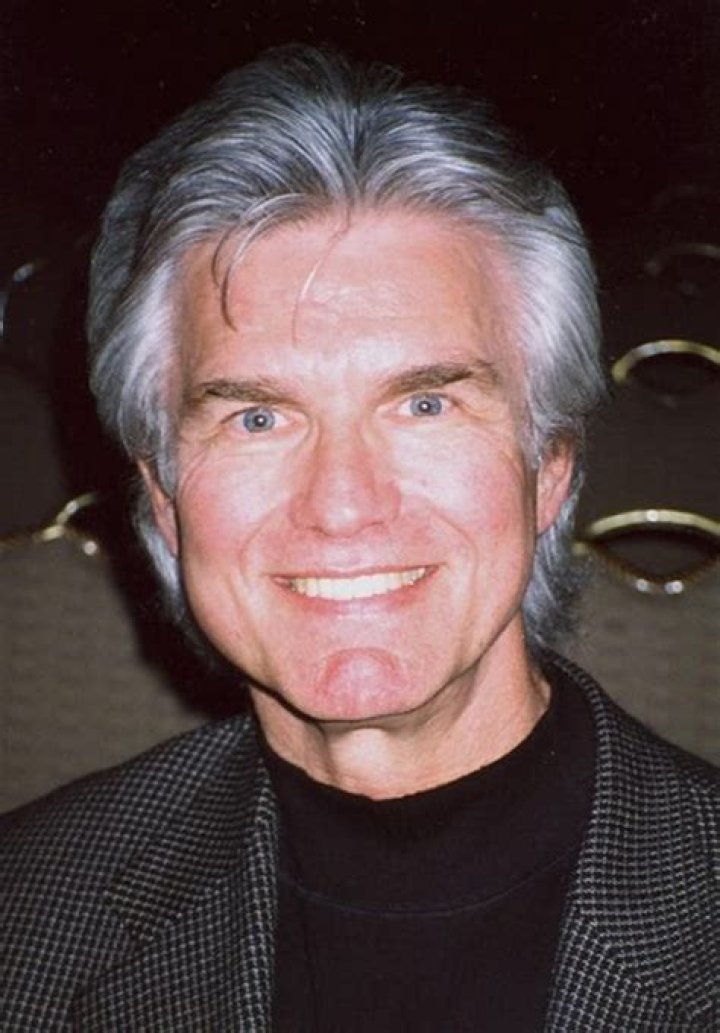
Roger Schnabel is an American artist known for his distinctive, abstract expressionist paintings. Born in New York City in 1931, Schnabel studied at The Cooper Union and the Pratt Institute. His early work was influenced by the Abstract Expressionists, but he soon developed his own unique style, which incorporates elements of collage, graffiti, and found objects. Schnabel's paintings are often characterized by their thick, impastoed surfaces and vibrant colors.
Schnabel is one of the most important and influential artists of his generation. His work has been exhibited in museums and galleries around the world, and he has been the subject of numerous retrospectives. Schnabel's paintings have been praised for their originality, their technical virtuosity, and their emotional power. He is considered to be one of the most important artists of the late 20th and early 21st centuries.
Schnabel's work has been the subject of much critical analysis. Some critics have praised his paintings for their originality and their emotional power. Others have criticized his work for its lack of coherence and its reliance on found objects. However, there is no doubt that Schnabel is one of the most important and influential artists of his generation.
roger schnabel
Roger Schnabel is an American artist known for his distinctive, abstract expressionist paintings. His work has been exhibited in museums and galleries around the world, and he has been the subject of numerous retrospectives. Schnabel's paintings have been praised for their originality, their technical virtuosity, and their emotional power.
Nine key aspects of Schnabel's work include:
- Collage: Schnabel often incorporates collage elements into his paintings, using found objects such as fabric, wood, and metal.
- Graffiti: Schnabel's paintings often incorporate graffiti-like elements, such as spray paint and stencils.
- Impasto: Schnabel's paintings are often characterized by their thick, impastoed surfaces.
- Large-scale: Schnabel's paintings are often large-scale, immersive experiences.
- Mixed media: Schnabel's paintings often incorporate a variety of media, including paint, collage, and found objects.
- Monumental: Schnabel's paintings are often monumental in scale and impact.
- Narrative: Schnabel's paintings often have a narrative quality, with recurring themes of memory, loss, and redemption.
- Political: Schnabel's paintings often address political and social issues.
- Spiritual: Schnabel's paintings often explore spiritual and metaphysical themes.
These nine key aspects are essential to understanding Schnabel's work. His paintings are a unique and powerful combination of collage, graffiti, impasto, and mixed media. They are often large-scale and monumental in impact, and they often address political and social issues.
Collage
One of the most distinctive features of Roger Schnabel's work is his use of collage. Schnabel often incorporates found objects such as fabric, wood, and metal into his paintings. This gives his work a unique and tactile quality that sets it apart from the work of other artists.
- Narrative: Schnabel's use of collage often helps to create a narrative in his paintings. By incorporating found objects that have a personal or historical significance, Schnabel is able to tell stories about his own life and the world around him.
- Texture: Schnabel's use of collage also adds texture and depth to his paintings. The different materials that he uses create a variety of visual and tactile experiences for the viewer.
- Meaning: Schnabel's use of collage can also add layers of meaning to his paintings. By incorporating found objects that have a particular meaning or symbolism, Schnabel is able to create works that are both visually appealing and intellectually stimulating.
- Experimentation: Schnabel's use of collage is also a testament to his willingness to experiment with new materials and techniques. He is not afraid to push the boundaries of what is considered to be art, and his use of collage is just one example of his innovative spirit.
Schnabel's use of collage is an important part of what makes his work so unique and distinctive. His ability to combine different materials and techniques in order to create visually appealing and intellectually stimulating works of art is a testament to his skill as an artist.
Graffiti
Roger Schnabel's use of graffiti-like elements in his paintings is a significant aspect of his work. By incorporating spray paint and stencils, Schnabel creates a connection between his art and the urban environment. Graffiti is often seen as a form of vandalism, but Schnabel uses it to create works of art that are both visually appealing and intellectually stimulating.
One of the reasons why Schnabel's use of graffiti is so effective is that it helps to create a sense of immediacy and authenticity. Graffiti is often created in public spaces, and it has a raw, unfiltered quality. By incorporating graffiti into his paintings, Schnabel is able to capture this sense of immediacy and authenticity. His paintings feel like they are a direct reflection of the world around him.
In addition to creating a sense of immediacy and authenticity, Schnabel's use of graffiti also helps to add a sense of political and social commentary to his work. Graffiti is often used to express political or social messages, and Schnabel uses it to do the same. His paintings often address issues such as poverty, inequality, and war. By incorporating graffiti into his paintings, Schnabel is able to make a statement about the world around him.
Schnabel's use of graffiti is a significant aspect of his work. It helps to create a sense of immediacy, authenticity, and political and social commentary. By incorporating graffiti into his paintings, Schnabel is able to create works of art that are both visually appealing and intellectually stimulating.
Impasto
Roger Schnabel's use of impasto, or thick layers of paint applied to a canvas, is a defining characteristic of his work. This technique gives his paintings a unique and textured quality that sets them apart from the work of other artists. Schnabel's use of impasto also has a number of important implications for the meaning and interpretation of his work.
- Visual impact: Schnabel's use of impasto creates a strong visual impact. The thick layers of paint create a sense of depth and texture that draws the viewer's eye into the painting. This visual impact is essential to Schnabel's work, as it helps to create a sense of immediacy and engagement.
- Emotional impact: Schnabel's use of impasto also has a strong emotional impact. The thick layers of paint create a sense of physicality and rawness that can be very moving. This emotional impact is essential to Schnabel's work, as it helps to create a sense of connection between the viewer and the painting.
- Symbolic meaning: Schnabel's use of impasto can also be interpreted symbolically. The thick layers of paint can be seen as a metaphor for the layers of experience and emotion that make up human life. This symbolic meaning is essential to Schnabel's work, as it helps to create a sense of depth and complexity.
- Historical context: Schnabel's use of impasto is also significant in the context of art history. Impasto was a technique that was often used by the Old Masters, and Schnabel's use of it can be seen as a way of connecting his work to the great tradition of Western art.
Schnabel's use of impasto is a defining characteristic of his work. It creates a strong visual and emotional impact, and it can also be interpreted symbolically. Schnabel's use of impasto is significant in the context of art history, as it connects his work to the great tradition of Western art.
Large-scale
Roger Schnabel's paintings are often large-scale, immersive experiences. This is a defining characteristic of his work, and it has a number of important implications for the meaning and interpretation of his paintings.
One of the most important things to understand about Schnabel's large-scale paintings is that they are meant to be immersive experiences. He wants the viewer to feel like they are stepping into the painting and becoming a part of it. This is why his paintings are often so largethey are meant to create a sense of awe and wonder in the viewer.
The large scale of Schnabel's paintings also has a number of practical implications. For one thing, it allows him to create works that are both visually and physically imposing. His paintings are often so large that they can be seen from across a room, and they can make a powerful statement in any space.
Another practical implication of Schnabel's large-scale paintings is that they require a lot of space to display. This can be a challenge for museums and galleries, but it is also a testament to Schnabel's commitment to creating immersive experiences for his viewers.
Schnabel's large-scale paintings are a defining characteristic of his work. They are meant to be immersive experiences that draw the viewer into the painting. The large scale of his paintings also has a number of practical implications, but it is ultimately essential to Schnabel's goal of creating works that are both visually and emotionally powerful.
Mixed media
Roger Schnabel's use of mixed media is a defining characteristic of his work. It allows him to create works that are both visually and conceptually complex. Schnabel's mixed media paintings often incorporate a variety of materials, including paint, collage, and found objects. This combination of materials gives his paintings a unique and textured quality that sets them apart from the work of other artists.
- Narrative: Schnabel's use of mixed media allows him to create works that are rich in narrative content. By incorporating found objects and other materials into his paintings, Schnabel is able to tell stories about his own life and the world around him. His paintings often explore themes of memory, loss, and redemption.
- Texture: Schnabel's use of mixed media also adds texture and depth to his paintings. The different materials that he uses create a variety of visual and tactile experiences for the viewer. This texture helps to create a sense of immediacy and engagement, drawing the viewer into the painting.
- Meaning: Schnabel's use of mixed media can also add layers of meaning to his paintings. By incorporating found objects that have a particular meaning or symbolism, Schnabel is able to create works that are both visually appealing and intellectually stimulating. His paintings often address issues such as poverty, inequality, and war.
- Experimentation: Schnabel's use of mixed media is also a testament to his willingness to experiment with new materials and techniques. He is not afraid to push the boundaries of what is considered to be art, and his use of mixed media is just one example of his innovative spirit.
Schnabel's use of mixed media is a significant aspect of his work. It allows him to create works that are both visually and conceptually complex. His paintings are rich in narrative content, texture, and meaning, and they often address important social and political issues. Schnabel's use of mixed media is a testament to his skill as an artist and his commitment to creating innovative and meaningful works of art.
Monumental
Roger Schnabel's paintings are often monumental in scale and impact. This is a defining characteristic of his work, and it has a number of important implications for the meaning and interpretation of his paintings.
One of the most important things to understand about Schnabel's monumental paintings is that they are meant to be immersive experiences. He wants the viewer to feel like they are stepping into the painting and becoming a part of it. This is why his paintings are often so large they are meant to create a sense of awe and wonder in the viewer.
The monumental scale of Schnabel's paintings also has a number of practical implications. For one thing, it allows him to create works that are both visually and physically imposing. His paintings are often so large that they can be seen from across a room, and they can make a powerful statement in any space.
Another practical implication of Schnabel's monumental paintings is that they require a lot of space to display. This can be a challenge for museums and galleries, but it is also a testament to Schnabel's commitment to creating immersive experiences for his viewers.
The monumental scale of Roger Schnabel's paintings is a defining characteristic of his work. It allows him to create immersive experiences that draw the viewer into the painting. The large scale of his paintings also has a number of practical implications, but it is ultimately essential to Schnabel's goal of creating works that are both visually and emotionally powerful.
Narrative
Roger Schnabel's paintings often have a narrative quality, with recurring themes of memory, loss, and redemption. This is evident in his use of personal symbols and imagery, as well as his exploration of universal human experiences. Schnabel's paintings often tell stories about his own life, his family, and his friends. He also explores broader themes such as the Holocaust, war, and the human condition.
- Personal Symbolism: Schnabel's paintings often incorporate personal symbols and imagery. For example, he frequently uses the image of a broken plate to represent loss and fragmentation. He also uses the image of a boat to represent hope and redemption.
- Universal Human Experiences: Schnabel's paintings also explore universal human experiences. For example, he frequently depicts scenes of everyday life, such as people eating, sleeping, and working. He also explores more complex emotions, such as love, loss, and grief.
- The Holocaust: Schnabel's paintings often address the Holocaust. He has created a number of works that explore the horrors of the Holocaust, as well as its aftermath. These works are often deeply personal, as Schnabel's own family was affected by the Holocaust.
- War: Schnabel's paintings also address the theme of war. He has created a number of works that depict the horrors of war, as well as its aftermath. These works are often critical of war, and they explore the devastating impact that it can have on individuals and communities.
Schnabel's paintings are powerful and moving works of art that explore a wide range of human experiences. His use of personal symbolism and imagery, as well as his exploration of universal human experiences, makes his paintings both deeply personal and universally resonant.
Political
Roger Schnabel's paintings often address political and social issues, reflecting his deep concern for the human condition. He is not afraid to use his art to speak out against injustice and inequality.
- War and Conflict
Schnabel's paintings often depict the horrors of war and conflict. He has created a number of works that explore the human cost of war, as well as its devastating impact on individuals and communities.
- Poverty and Inequality
Schnabel's paintings also address the issue of poverty and inequality. He has created a number of works that depict the struggles of the poor and marginalized. These works often highlight the social and economic factors that contribute to poverty and inequality.
- Environmental Issues
Schnabel's paintings also address environmental issues. He has created a number of works that explore the impact of human activity on the environment. These works often highlight the importance of protecting the environment for future generations.
- Human Rights
Schnabel's paintings also address the issue of human rights. He has created a number of works that explore the struggles of people who are fighting for their basic human rights. These works often highlight the importance of defending human rights for all people.
Schnabel's paintings are powerful and moving works of art that shed light on some of the most pressing issues facing our world today. He is not afraid to use his art to speak out against injustice and inequality, and he is committed to making a positive impact on the world.
Spiritual
Roger Schnabel's paintings often explore spiritual and metaphysical themes. This is evident in his use of religious imagery and symbolism, as well as his exploration of the human condition. Schnabel's paintings often seek to connect the viewer with the divine, and to explore the nature of reality and existence.
- Religious Imagery and Symbolism
Schnabel's paintings often incorporate religious imagery and symbolism. For example, he frequently uses the image of the cross to represent suffering and redemption. He also uses the image of the dove to represent peace and hope.
- The Human Condition
Schnabel's paintings also explore the human condition. He frequently depicts scenes of everyday life, such as people eating, sleeping, and working. He also explores more complex emotions, such as love, loss, and grief.
- The Divine
Schnabel's paintings often seek to connect the viewer with the divine. He frequently uses light and shadow to create a sense of mystery and awe. He also uses color to create a sense of transcendence.
- The Nature of Reality and Existence
Schnabel's paintings also explore the nature of reality and existence. He frequently uses fragmented and distorted images to create a sense of uncertainty and ambiguity. He also uses repetition and layering to create a sense of infinity.
Schnabel's paintings are powerful and moving works of art that explore some of the most fundamental questions of human existence. He is not afraid to use his art to grapple with the big questions, and he is committed to creating works that are both beautiful and meaningful.
Frequently Asked Questions about Roger Schnabel
This section answers common questions or misconceptions about Roger Schnabel, providing informative and objective responses.
Question 1: What are the key characteristics of Roger Schnabel's artistic style?
Schnabel is known for his distinctive style that incorporates elements of abstraction, collage, graffiti, and mixed media. His paintings are often characterized by their impastoed surfaces, large scale, and use of unconventional materials, including fabric, wood, and metal.
Question 2: What is the significance of collage in Schnabel's work?
Collage plays a crucial role in Schnabel's art. By incorporating found objects and materials, he creates a narrative quality, adds texture and depth, and imbues his paintings with layers of meaning and personal or historical significance.
Question 3: How does Schnabel's use of impasto contribute to his paintings?
Schnabel's impasto technique, involving thick layers of paint applied to the canvas, creates a strong visual and emotional impact. It adds a sense of physicality and rawness to his paintings, drawing viewers into the work and evoking a sense of immediacy and authenticity.
Question 4: What is the purpose of the large scale in Schnabel's paintings?
The large scale of Schnabel's paintings is integral to his artistic vision. It allows him to create immersive experiences that envelop the viewer, demand attention, and make powerful statements in any space they occupy.
Question 5: How does Schnabel's exploration of spirituality manifest in his art?
Schnabel's paintings often explore spiritual and metaphysical themes. He uses religious imagery and symbolism, depicts scenes of everyday life with contemplative undertones, and employs light, shadow, and color to create a sense of mystery and transcendence, connecting viewers with the divine and the nature of existence.
Question 6: What is Schnabel's artistic legacy and influence?
Roger Schnabel is widely recognized as one of the most important and influential artists of his generation. His innovative approach to painting, his willingness to experiment with unconventional materials and techniques, and his exploration of profound themes have left a lasting impact on contemporary art, inspiring and influencing countless artists and shaping the trajectory of artistic expression.
Summary
Roger Schnabel's unique artistic style, characterized by collage, impasto, large scale, and exploration of spirituality, has established him as a prominent figure in contemporary art. His works provoke thought, evoke emotion, and invite viewers to engage with facing humanity and the nature of existence.
Transition to the next article section
To delve deeper into Roger Schnabel's artistic journey and explore his influential contributions to the art world, continue to the next section.
Tips from Roger Schnabel
Roger Schnabel's artistic journey offers valuable insights and inspiration for aspiring artists and art enthusiasts alike. Here are some key tips derived from his approach to art:
Tip 1: Embrace Experimentation and Unconventional Materials
Schnabel's willingness to experiment with unconventional materials, such as fabric, wood, and metal, expanded the boundaries of painting. By incorporating collage and mixed media, he demonstrated the potential for innovation and the transformative power of embracing new techniques.
Tip 2: Explore the Narrative Potential of Collage
Schnabel recognized the narrative capabilities of collage. By incorporating found objects and personal artifacts, he imbued his paintings with layers of meaning, historical references, and personal connections, inviting viewers to engage with the stories embedded within his art.
Tip 3: Harness the Power of Impasto
Schnabel's signature impasto technique, involving thick layers of paint, creates a striking visual impact and a sense of physicality. This technique adds depth, texture, and a raw, expressive quality to his paintings, captivating the viewer's attention.
Tip 4: Consider the Impact of Scale
Schnabel's large-scale paintings are not merely oversized; they are immersive experiences. By working on a grand scale, he demands the viewer's attention, creates a sense of awe, and invites them to become enveloped in the visual narrative of his paintings.
Tip 5: Explore Spiritual and Metaphysical Themes
Schnabel's art transcends the purely physical realm, delving into spiritual and metaphysical concepts. His use of religious imagery, symbolism, and contemplative scenes encourages viewers to reflect on the nature of existence, the divine, and the human condition.
Summary
Roger Schnabel's artistic approach offers valuable lessons for artists and art enthusiasts alike. By embracing experimentation, exploring the narrative potential of collage, harnessing the power of impasto, considering the impact of scale, and delving into spiritual themes, Schnabel's work continues to inspire and provoke thought.
Conclusion
Roger Schnabel's unique artistic vision and innovative techniques have made him a significant figure in contemporary art. His tips provide a glimpse into his creative process and encourage artists to push boundaries, embrace individuality, and explore the profound possibilities of artistic expression.
Conclusion
Roger Schnabel's artistic journey stands as a testament to the power of innovation, experimentation, and the exploration of profound themes. Through his unique approach to painting, which incorporates collage, impasto, large scale, and spiritual contemplation, Schnabel has expanded the boundaries of artistic expression and inspired countless others.
Schnabel's legacy lies in his unwavering commitment to pushing artistic limits, challenging conventions, and creating works that provoke thought, evoke emotion, and connect with the human condition. His art invites viewers to engage with the world around them, to contemplate the nature of existence, and to embrace the transformative power of creativity.
Unlock The Secrets Of Andy Galpin's Age: Surprising Discoveries Unveiled
Uncover The Untold Story: Unveiling Mo Rocca's Partner And Beyond
Unlocking The Secrets Of Art Therapy Pioneer Florence Baum: Truths Revealed
Roger Schnabel Biography, Net Worth, Age, Height, Weight, Girlfriend
Gold Rush Net Worth Who is the Richest Gold Rush Miner?
Parker Schnabel’s Wiki Facts to Know about the “Gold Rush” Star