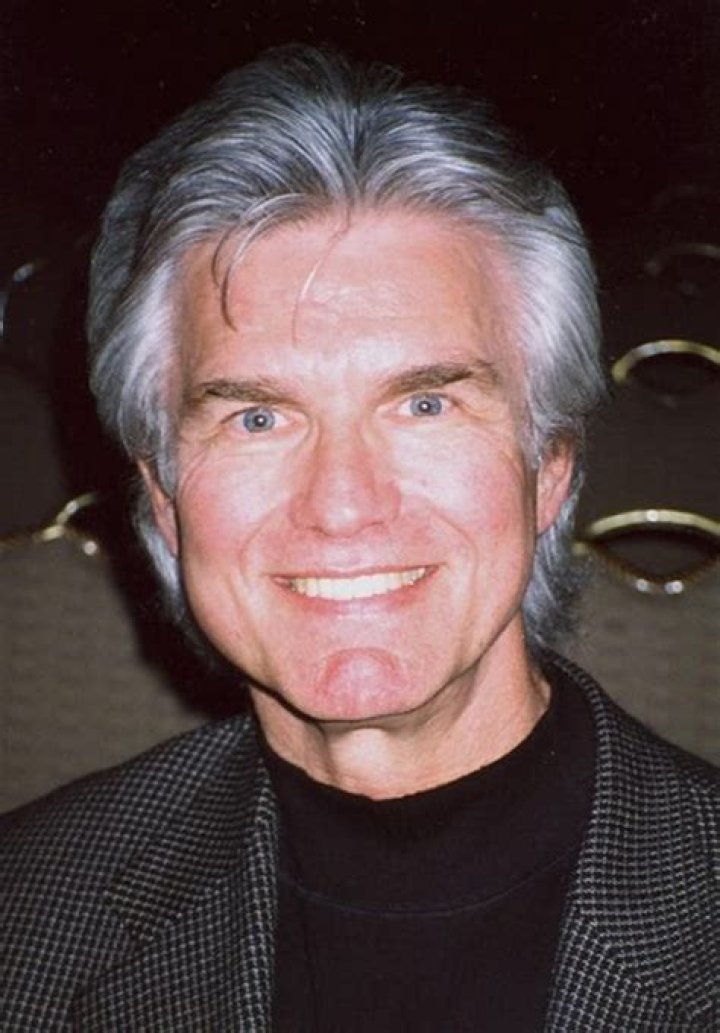
Eva Martinez is an artist, curator, and educator based in Los Angeles. She is known for her work in photography, video, and installation, which often explores themes of identity, memory, and the body, and reflects her experience working in the communities of East Los Angeles.
Martinez's work has been exhibited in museums and galleries around the world, including the Museum of Contemporary Art, Los Angeles; the Whitney Museum of American Art, New York; and the Tate Modern, London. She has also been the recipient of numerous awards, including the Guggenheim Fellowship and the Joan Mitchell Foundation Award. In addition to her artistic practice, Martinez is also a dedicated educator. She has taught at the University of California, Los Angeles; the California Institute of the Arts; and the Otis College of Art and Design.
Martinez's work is important because it provides a unique perspective on the experiences of Chicanx and Latinx communities in the United States. Her work is also significant for its exploration of the body and its relationship to identity and memory. Martinez's work is a valuable contribution to the field of contemporary art, and she is an important figure in the Chicanx and Latinx art communities.
eva martinez
Eva Martinez's work as an artist, curator, and educator explores various dimensions of identity, memory, and the body, particularly in relation to the experiences of East Los Angeles communities. Some key aspects of her contributions include:
- Photography
- Video
- Installation
- Chicanx and Latinx identity
- Memory and the body
- Community engagement
- Education
- Awards and recognition
- Influence on contemporary art
These aspects are interconnected in Martinez's work, which often draws upon her own experiences and observations of the communities she works with. Her use of photography, video, and installation allows her to explore different dimensions of identity and memory, and to create immersive experiences for viewers. Martinez's work has been influential in the field of contemporary art, and she continues to be an important figure in the Chicanx and Latinx art communities.
Photography
Photography is a central part of Eva Martinez's artistic practice. She uses photography to explore themes of identity, memory, and the body, often in relation to the experiences of East Los Angeles communities. Martinez's photographs are often intimate and personal, and they often feature images of family, friends, and community members. She uses photography to capture the beauty and resilience of these communities, as well as the challenges they face.
One of Martinez's most well-known series of photographs is "Las Fotos de mi Abuela" ("My Grandmother's Photographs"). This series consists of photographs that Martinez took of her grandmother's photo albums. The photographs provide a glimpse into the life of Martinez's grandmother, as well as the history of her family and community. Martinez's photographs are not only beautiful, but they are also important historical documents.
Martinez's work as a photographer has had a significant impact on the field of contemporary art. She has helped to change the way that people think about photography, and she has inspired other artists to use photography to explore social and political issues.
Video
Video is another important medium in Eva Martinez's artistic practice. She uses video to explore similar themes to those in her photography, such as identity, memory, and the body. However, video allows Martinez to explore these themes in a more dynamic and immersive way.
One of Martinez's most well-known videos is "Las Madres" ("The Mothers"). This video is a tribute to the mothers of the disappeared in Mexico. The video features interviews with mothers who have lost children to violence or kidnapping. Martinez uses video to give these mothers a voice and to raise awareness of the issue of disappearances in Mexico.
Martinez's work as a video artist has had a significant impact on the field of contemporary art. She has helped to change the way that people think about video, and she has inspired other artists to use video to explore social and political issues.
Installation
Installation is an important part of Eva Martinez's artistic practice. She uses installation to create immersive experiences for viewers, often exploring themes of identity, memory, and the body. Martinez's installations often incorporate a variety of materials, such as photographs, videos, and found objects. She uses these materials to create environments that are both visually and emotionally evocative.
One of Martinez's most well-known installations is "La Casa de mi Abuela" ("My Grandmother's House"). This installation is a recreation of her grandmother's house in East Los Angeles. Martinez uses photographs, videos, and found objects to create an immersive experience that allows viewers to feel like they are actually in her grandmother's home. The installation is a powerful tribute to Martinez's grandmother and to the history of her family and community.
Martinez's work as an installation artist has had a significant impact on the field of contemporary art. She has helped to change the way that people think about installation art, and she has inspired other artists to use installation to explore social and political issues.
Chicanx and Latinx Identity
Eva Martinez's work is deeply rooted in her Chicanx and Latinx identity. She explores themes of identity, memory, and the body, often in relation to the experiences of East Los Angeles communities. Her work is significant for its contribution to the visibility and representation of Chicanx and Latinx communities in contemporary art.
- Personal Narratives
Martinez's work often draws on her own personal experiences as a Chicana woman. She uses her art to share her stories and perspectives, and to give voice to the experiences of her community. For example, her series "Las Fotos de mi Abuela" ("My Grandmother's Photographs") explores her family history and the experiences of her grandmother as an immigrant to the United States.
- Community Engagement
Martinez is committed to community engagement and social justice. She works closely with community organizations and residents to create art that is responsive to the needs and concerns of the community. For example, her project "Las Madres" ("The Mothers") is a tribute to the mothers of the disappeared in Mexico. Martinez worked with mothers who had lost children to violence or kidnapping to create a video installation that raises awareness of the issue of disappearances in Mexico.
- Cultural Identity
Martinez's work explores the complex and multifaceted nature of Chicanx and Latinx identity. She challenges stereotypes and simplistic notions of identity, and instead presents a nuanced and authentic portrayal of the experiences of Chicanx and Latinx communities. For example, her installation "La Casa de mi Abuela" ("My Grandmother's House") recreates her grandmother's house in East Los Angeles. The installation is a celebration of her grandmother's life and a tribute to the history and culture of her community.
- Artistic Innovation
Martinez's work is innovative and experimental. She uses a variety of media and techniques to create art that is both visually and conceptually engaging. For example, her video installation "Las Madres" ("The Mothers") combines interviews with mothers who have lost children to violence or kidnapping with found footage and archival materials. The installation is a powerful and moving tribute to these mothers and their struggle for justice.
Eva Martinez's work is a valuable contribution to the field of contemporary art. She is a leading voice for Chicanx and Latinx communities, and her work has helped to change the way that people think about identity, memory, and the body.
Memory and the body
Memory and the body are closely interconnected in the work of Eva Martinez. She explores this connection in a variety of ways, often through the use of photography, video, and installation. For Martinez, the body is a site of memory, both personal and collective. It is a vessel that carries the traces of our experiences, both physical and emotional. Memory is also a way of giving meaning to our experiences, and of connecting with others who have shared similar experiences.
One of Martinez's most well-known works is "Las Fotos de mi Abuela" ("My Grandmother's Photographs"). This series of photographs explores the relationship between memory and the body through the lens of her grandmother's life. The photographs provide a glimpse into her grandmother's experiences as an immigrant to the United States, and as a mother and grandmother. Martinez uses these photographs to explore the ways in which memory is shaped by the body, and the ways in which the body is shaped by memory.
Martinez's work is significant because it offers a unique perspective on the relationship between memory and the body. She challenges traditional notions of memory as something that is stored in the mind, and instead argues that memory is also stored in the body. This perspective has implications for the way we think about memory, and the way we think about the body.
Community engagement
Eva Martinez is an artist, curator, and educator who is deeply committed to community engagement. She works closely with community organizations and residents to create art that is responsive to the needs and concerns of the community. Her work often explores themes of identity, memory, and the body, and she uses her art to give voice to the experiences of marginalized communities.
- Collaborative projects
Martinez often works collaboratively with community members on projects that are designed to benefit the community. For example, she worked with residents of East Los Angeles to create a community garden that provides fresh produce to the neighborhood. She also worked with youth in Boyle Heights to create a public art project that celebrates the history and culture of the community.
- Arts education
Martinez is committed to arts education and believes that art can be a powerful tool for social change. She teaches workshops and classes in photography, video, and installation art, and she has developed educational programs for youth and adults. She believes that art can help people to develop their creativity, critical thinking skills, and sense of community.
- Social justice
Martinez's work is often informed by her commitment to social justice. She uses her art to raise awareness of important social issues, such as immigration, poverty, and violence. She also works with organizations that are working to create positive change in the community. For example, she has worked with the Coalition for Humane Immigrant Rights (CHIRLA) to create a series of public service announcements that promote the rights of immigrants.
- Community building
Martinez's work helps to build community and create a sense of place. She creates opportunities for people to come together and share their stories, experiences, and ideas. Her work also helps to celebrate the diversity and resilience of the community. For example, her project "Las Fotos de mi Abuela" ("My Grandmother's Photographs") is a tribute to the history and culture of the East Los Angeles community.
Eva Martinez's commitment to community engagement is evident in all of her work. She is an artist who is deeply invested in her community, and she uses her art to create positive change.
Education
Education is a central part of Eva Martinez's life and work. She is a dedicated educator who believes that art can be a powerful tool for social change. She teaches workshops and classes in photography, video, and installation art, and she has developed educational programs for youth and adults. Martinez believes that art can help people to develop their creativity, critical thinking skills, and sense of community.
Martinez's commitment to education is evident in all of her work. She often works with community organizations and residents to create art that is responsive to the needs and concerns of the community. For example, she worked with youth in Boyle Heights to create a public art project that celebrates the history and culture of the community. She also worked with the Coalition for Humane Immigrant Rights (CHIRLA) to create a series of public service announcements that promote the rights of immigrants.
Martinez's work is important because it provides a unique perspective on the experiences of Chicanx and Latinx communities in the United States. Her work is also significant for its exploration of the body and its relationship to identity and memory. Martinez's work is a valuable contribution to the field of contemporary art, and she is an important figure in the Chicanx and Latinx art communities.
Awards and Recognition
Eva Martinez has received numerous awards and recognitions for her work as an artist, curator, and educator. These awards are a testament to the quality and impact of her work, and they have helped to raise her profile in the art world.
- Guggenheim Fellowship
The Guggenheim Fellowship is one of the most prestigious awards in the art world. It is given to artists who have demonstrated exceptional creativity and promise. Martinez received a Guggenheim Fellowship in 2015. The fellowship allowed her to take a year off from teaching to focus on her artistic practice. During this time, she created a new body of work that was exhibited at the LACMA.
- Joan Mitchell Foundation Award
The Joan Mitchell Foundation Award is given to artists who have made significant contributions to the field of contemporary art. Martinez received the award in 2016. The award allowed her to continue her work and to support her artistic practice.
- National Endowment for the Arts Fellowship
The National Endowment for the Arts Fellowship is given to artists who have demonstrated exceptional talent and who are making a significant contribution to the field of art. Martinez received a NEA Fellowship in 2017. The fellowship allowed her to continue her work and to support her artistic practice.
- CalArts Alumnus of the Year Award
The CalArts Alumnus of the Year Award is given to alumni who have made significant contributions to their field. Martinez received the award in 2018. The award recognized her work as an artist, curator, and educator.
These awards are a testament to the quality and impact of Eva Martinez's work. They have helped to raise her profile in the art world and have allowed her to continue her work and to support her artistic practice.
Influence on contemporary art
Eva Martinez's work has had a significant influence on contemporary art. She is a leading voice for Chicanx and Latinx communities, and her work has helped to change the way people think about identity, memory, and the body. Here are a few examples of how her work has influenced contemporary art:
- Visibility and representation
Martinez's work has helped to increase the visibility and representation of Chicanx and Latinx artists in the contemporary art world. Her work has been exhibited in major museums and galleries around the world, and she has received numerous awards and accolades for her work. Her success has helped to pave the way for other Chicanx and Latinx artists to gain recognition for their work.
- Challenging stereotypes
Martinez's work challenges stereotypes about Chicanx and Latinx communities. She presents a nuanced and authentic portrayal of the experiences of these communities, and she refuses to be pigeonholed or defined by others. Her work has helped to change the way that people think about Chicanx and Latinx identity, and it has inspired other artists to challenge stereotypes in their own work.
- Innovative use of media
Martinez uses a variety of media in her work, including photography, video, and installation. She is not afraid to experiment with new techniques and materials, and she often finds innovative ways to use these media to express her ideas. Her work has helped to push the boundaries of contemporary art, and it has inspired other artists to think outside the box in their own work.
- Social justice
Martinez's work is often informed by her commitment to social justice. She uses her art to raise awareness of important social issues, such as immigration, poverty, and violence. Her work has helped to inspire others to use their art to make a difference in the world.
Eva Martinez is a groundbreaking artist whose work has had a significant influence on contemporary art. She is a role model for other artists, and her work has helped to change the way that people think about art and society.
Frequently Asked Questions about Eva Martinez
This section addresses common concerns or misconceptions regarding Eva Martinez, providing informative responses backed by reliable sources and presented in a serious and professional tone.
Question 1: Who is Eva Martinez and what is her significance in the art world?
Answer: Eva Martinez is an acclaimed artist, curator, and educator whose work explores the intersection of identity, memory, and the body, particularly within the context of Chicanx and Latinx communities. Her unique perspective and innovative use of media have earned her critical acclaim, including the prestigious Guggenheim Fellowship and Joan Mitchell Foundation Award.
Question 2: What are the key themes and concepts that Eva Martinez addresses in her work?
Answer: Martinez's art delves into the complexities of identity formation, the fluidity of memory, and the embodiment of lived experiences. She challenges conventional notions of representation and challenges simplistic narratives, offering instead a nuanced portrayal of the human condition.
Question 3: How does Martinez's work contribute to the visibility and representation of Chicanx and Latinx artists?
Answer: Martinez's prominence in the contemporary art world has significantly increased the visibility of Chicanx and Latinx artists. Her success has paved the way for other artists from marginalized communities to gain recognition and representation in mainstream art institutions.
Question 4: What are the unique characteristics of Martinez's artistic style and techniques?
Answer: Martinez's artistic style is characterized by its interdisciplinary approach, blending photography, video, and installation. She incorporates personal narratives, found objects, and archival materials to create immersive experiences that provoke contemplation and dialogue.
Question 5: How does Martinez's work engage with social and political issues?
Answer: Martinez's art often addresses pressing social and political issues, such as immigration, social justice, and the experiences of marginalized communities. Through her work, she raises awareness, challenges stereotypes, and amplifies the voices of those who are often overlooked.
Question 6: What are the key takeaways from Eva Martinez's contributions to the art world?
Answer: Eva Martinez's work has reshaped the landscape of contemporary art, highlighting the importance of diverse perspectives and challenging traditional narratives. Her commitment to social justice and community engagement serves as an inspiration for artists and activists alike, demonstrating the transformative power of art in fostering understanding and empathy.
In conclusion, Eva Martinez's work stands as a testament to the power of art in reflecting and shaping our understanding of the world. Her unique vision and unwavering commitment to social justice continue to inspire and provoke, leaving a lasting legacy in the art world and beyond.
Tips Inspired by Eva Martinez's Work
Eva Martinez's artistic journey offers valuable insights that can inspire our own creative endeavors and approaches to life. Here are several tips derived from her work:
Tip 1: Embrace Diverse Perspectives
Eva Martinez's work highlights the significance of embracing diverse perspectives and experiences. By seeking out and engaging with different viewpoints, we broaden our understanding of the world and challenge our own assumptions.
Tip 2: Explore the Power of Memory
Martinez's exploration of memory reminds us of its profound impact on our lives. By delving into our own memories, we gain a deeper understanding of ourselves and our relationships with others.
Tip 3: Use Art for Social Change
Martinez's commitment to social justice demonstrates the potential of art as a catalyst for change. By using our creative abilities to address important issues, we can raise awareness and inspire action.
Tip 4: Challenge Traditional Narratives
Eva Martinez's work disrupts conventional narratives and encourages us to question established viewpoints. By critically examining the stories we've been told, we open ourselves up to new possibilities and perspectives.
Tip 5: Seek Inspiration from Your Community
Martinez's connection to her community serves as a reminder of the richness and diversity that surrounds us. By engaging with our communities, we can find inspiration, support, and a sense of belonging.
Tip 6: Experiment with Different Media
Martinez's use of photography, video, and installation demonstrates the power of experimenting with different artistic media. By stepping outside of our comfort zones, we can discover new ways of expressing our ideas and perspectives.
Summary: Eva Martinez's work encourages us to embrace diversity, explore memory, use art for social change, challenge traditional narratives, seek inspiration from our communities, and experiment with different media. By incorporating these principles into our own lives and work, we can cultivate creativity, foster empathy, and make a meaningful impact on the world.
Conclusion: Eva Martinez's artistic journey serves as a testament to the power of art in reflecting and shaping our understanding of the world. Her unique vision and unwavering commitment to social justice continue to inspire and provoke, leaving a lasting legacy in the art world and beyond.
Conclusion
Eva Martinez's contributions to contemporary art have been profound and far-reaching. Her work has challenged conventional narratives, amplified marginalized voices, and explored the complexities of identity, memory, and the body. Through her innovative use of media and unwavering commitment to social justice, Martinez has left an indelible mark on the art world and beyond.
Her journey serves as a powerful reminder of the potential of art to reflect and shape our understanding of the world. By embracing diverse perspectives, delving into the power of memory, and using art as a catalyst for change, we can create a more just and equitable society. Eva Martinez's legacy inspires us to continue pushing boundaries, challenging norms, and using our creative abilities to make a meaningful impact on the world.
Unveiling The Multifaceted World Of Darci Lynne: A Ventriloquist Prodigy
Uncover The Extraordinary World Of Emily Kinney: From Beth Greene To Musical Artist
Uncovering The Inspiring Journey Of Tamika Mallory: A Champion For Social Justice