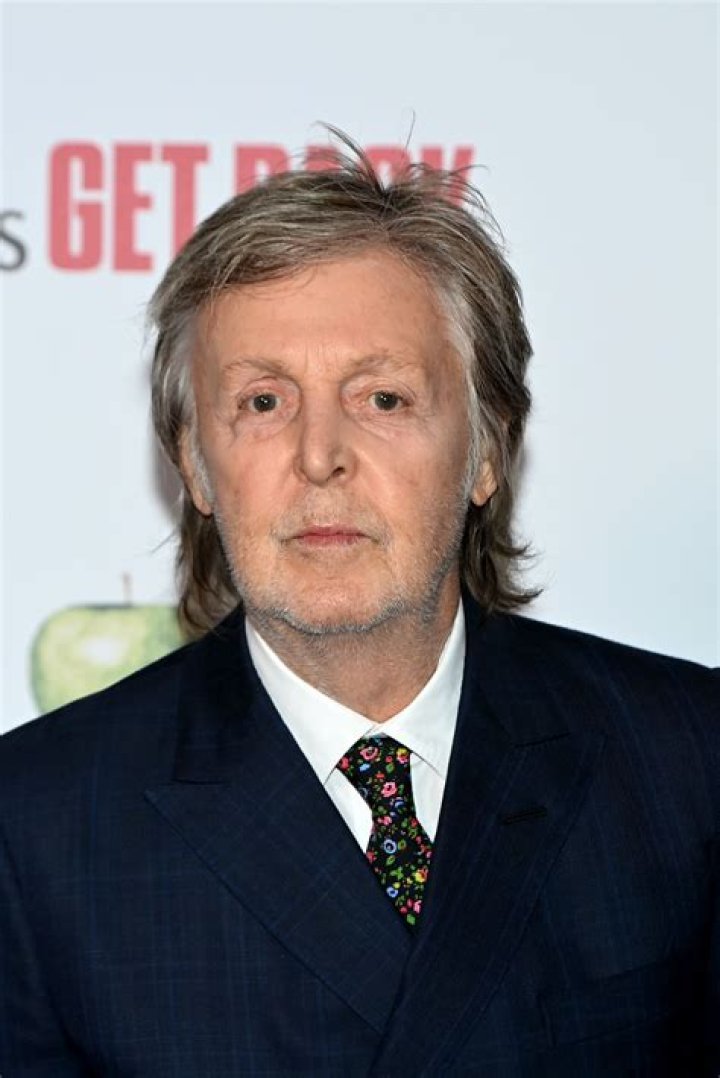
Thomas Gordon Wheelock is widely recognized as a pioneer in the field of education, particularly for his contributions to the development of the progressive education movement. Born in 1855 in Rhode Island, Wheelock's passion for education was evident from a young age. He graduated from Brown University in 1876 and went on to pursue a career in teaching.
Wheelock's innovative approach to education emphasized the importance of hands-on learning, creativity, and individualized instruction. He believed that students should be actively engaged in their own learning process and that teachers should serve as facilitators rather than authoritarian figures. In 1896, he founded the Wheelock Kindergarten Training School in Boston, which later became Wheelock College, a leading institution for early childhood education.
Wheelock's ideas and practices had a profound impact on the field of education, helping to shape the way we think about teaching and learning today. He was a strong advocate for progressive education, which sought to promote the holistic development of the child and prepare them for success in a rapidly changing world. Wheelock's legacy continues to inspire educators around the world, and his contributions to the field of education remain invaluable.
Thomas Gordon Wheelock
Thomas Gordon Wheelock was an influential figure in the field of education, particularly for his contributions to the progressive education movement. Here are eight key aspects that highlight the essence of his work and legacy:
- Progressive Education Advocate: Wheelock championed progressive education, emphasizing hands-on learning, creativity, and individualized instruction.
- Founder of Wheelock College: He established the Wheelock Kindergarten Training School in 1896, which later became Wheelock College, a leading institution for early childhood education.
- Early Childhood Education Pioneer: Wheelock recognized the importance of early childhood education and developed innovative approaches to teaching young children.
- Teacher Training Reformer: He transformed teacher training by emphasizing the importance of practical experience and child development.
- Holistic Development: Wheelock believed in the holistic development of the child, encompassing intellectual, social, emotional, and physical growth.
- Child-Centered Approach: He advocated for a child-centered approach to education, recognizing the unique needs and abilities of each child.
- Education for Social Change: Wheelock saw education as a means to promote social change and prepare children for responsible citizenship.
- Enduring Legacy: His ideas and practices continue to influence education today, shaping curricula and teaching methodologies.
These aspects collectively underscore Thomas Gordon Wheelock's significant contributions to education. His unwavering dedication to progressive education and his innovative approaches to teaching and learning have left a lasting impact on the field. Wheelock's legacy continues to inspire educators around the world, emphasizing the importance of child-centered education and the holistic development of every child.
| Name | Thomas Gordon Wheelock |
|---|---|
| Birth | 1855, Rhode Island |
| Death | 1935 |
| Occupation | Educator, Founder of Wheelock College |
| Known for | Progressive education, early childhood education, teacher training reform |
Progressive Education Advocate
Thomas Gordon Wheelock's unwavering advocacy for progressive education was a cornerstone of his educational philosophy and practice. Progressive education, a movement that gained momentum in the late 19th and early 20th centuries, emphasized the importance of hands-on learning, creativity, and individualized instruction. Wheelock believed that this approach fostered a more engaging and effective learning environment for students.
Wheelock's progressive approach to education stood in contrast to the traditional methods of rote memorization and teacher-centered instruction that were prevalent at the time. He recognized the unique needs and abilities of each child and tailored his teaching methods accordingly. This individualized approach allowed students to learn at their own pace and explore their interests in greater depth.
Wheelock's emphasis on hands-on learning and creativity encouraged students to actively participate in their own education. He believed that children learn best by doing and by engaging with the world around them. His lessons often involved outdoor activities, field trips, and project-based learning, which provided students with opportunities to apply their knowledge and develop critical thinking skills.
The practical significance of Wheelock's progressive education advocacy can be seen in the enduring impact of his work. His ideas and practices continue to influence education today, shaping curricula and teaching methodologies around the world. Wheelock's legacy as a progressive education advocate serves as a reminder of the importance of creating engaging and individualized learning environments that empower students to become lifelong learners.
Founder of Wheelock College
Thomas Gordon Wheelock's founding of Wheelock College is inextricably linked to his vision for progressive education and his unwavering commitment to early childhood education. His establishment of the Wheelock Kindergarten Training School in 1896 was a pivotal moment in his career and a testament to his dedication to transforming the educational landscape.
Wheelock recognized the critical importance of early childhood education in shaping the lives of young children. He believed that providing a nurturing and stimulating learning environment during the early years could have a profound impact on a child's future success. The Wheelock Kindergarten Training School was founded on these principles, offering a progressive and child-centered approach to early childhood education that emphasized hands-on learning, creativity, and individualized instruction.
Under Wheelock's leadership, the Wheelock Kindergarten Training School quickly gained recognition for its innovative approach and high-quality teacher training programs. In 1939, the school was renamed Wheelock College, reflecting its expanded mission and growing reputation as a leading institution for early childhood education. Today, Wheelock College continues to be a pioneer in the field, offering a range of undergraduate and graduate programs in early childhood education, special education, and other related fields.
Wheelock's founding of Wheelock College serves as a testament to his unwavering commitment to progressive education and his belief in the transformative power of early childhood education. His legacy continues to inspire educators around the world and his contributions to the field continue to shape the way we think about teaching and learning today.
Early Childhood Education Pioneer
Thomas Gordon Wheelock's pioneering work in early childhood education was a defining aspect of his career and legacy. He firmly believed in the critical importance of the early years in shaping a child's development and future success. This belief fueled his passion for developing innovative and effective approaches to teaching young children.
- Emphasis on Play-Based Learning: Wheelock recognized the power of play in children's learning and development. He incorporated play into his teaching methods, creating a stimulating and engaging environment where children could explore, experiment, and learn through hands-on experiences.
- Individualized Instruction: Wheelock understood that each child is unique and learns at their own pace. He tailored his teaching to meet the individual needs and interests of each child, ensuring that they received the support and guidance they needed to thrive.
- Teacher Training: Wheelock believed that well-trained teachers are essential for providing high-quality early childhood education. He established rigorous teacher training programs at Wheelock College, emphasizing the importance of practical experience and a deep understanding of child development.
- Holistic Approach: Wheelock's approach to early childhood education was holistic, encompassing the physical, intellectual, social, and emotional development of the child. He believed that all aspects of a child's development are interconnected and should be nurtured.
Wheelock's innovative approaches to teaching young children have had a lasting impact on the field of early childhood education. His emphasis on play-based learning, individualized instruction, teacher training, and holistic development continue to shape curricula and teaching practices around the world. His legacy as an early childhood education pioneer serves as a reminder of the importance of investing in the early years and providing children with the foundation they need to succeed in life.
Teacher Training Reformer
Thomas Gordon Wheelock's role as a teacher training reformer was closely intertwined with his broader educational philosophy and his commitment to progressive education. He recognized that the quality of teachers has a profound impact on the learning outcomes of students, and he sought to transform teacher training to ensure that educators were well-equipped to meet the needs of young children.
Wheelock believed that practical experience was essential for teachers to develop the skills and knowledge necessary to effectively teach young children. He introduced innovative approaches to teacher training that emphasized hands-on learning, field experiences, and close observation of children. These experiences allowed aspiring teachers to gain a deep understanding of child development and to develop the practical skills necessary to create engaging and supportive learning environments.
In addition to emphasizing practical experience, Wheelock also stressed the importance of child development in teacher training. He believed that teachers needed to have a thorough understanding of how children learn and grow in order to effectively guide their development. He incorporated courses on child psychology, child development, and educational theory into his teacher training programs, ensuring that teachers had a strong foundation in the principles of early childhood education.
The practical significance of Wheelock's teacher training reforms can be seen in the success of his students and the enduring impact of his work. Graduates of Wheelock College's teacher training programs have gone on to become leaders in the field of early childhood education, implementing Wheelock's principles in their own classrooms and shaping the next generation of educators.
Wheelock's legacy as a teacher training reformer serves as a reminder of the importance of investing in the professional development of teachers. By emphasizing the importance of practical experience and child development, Wheelock helped to transform the field of teacher training and ensure that future generations of children would have access to high-quality early childhood education.
Holistic Development
Thomas Gordon Wheelock's emphasis on holistic development was a cornerstone of his educational philosophy. He believed that true education extended beyond the acquisition of knowledge and skills, encompassing the development of the whole child - intellectually, socially, emotionally, and physically.
- Intellectual Development: Wheelock recognized the importance of intellectual development in fostering children's curiosity, critical thinking skills, and problem-solving abilities. He encouraged active learning, hands-on experiences, and exploration to stimulate intellectual growth.
- Social Development: Wheelock believed that social development was essential for children's well-being and success in life. He promoted cooperative learning, group activities, and opportunities for children to interact and collaborate with each other, fostering their social skills, empathy, and ability to work effectively with others.
- Emotional Development: Wheelock recognized the importance of emotional development in children's overall health and happiness. He created a supportive and nurturing learning environment where children felt safe to express their emotions, develop self-awareness, and learn to manage their emotions in healthy ways.
- Physical Development: Wheelock understood the importance of physical development for children's overall well-being. He incorporated physical activities, outdoor play, and movement into his teaching, recognizing the role of physical development in children's cognitive, social, and emotional growth.
Wheelock's holistic approach to education has had a lasting impact on the field of early childhood education. His emphasis on the whole child continues to shape curricula and teaching practices, ensuring that children have opportunities to develop intellectually, socially, emotionally, and physically, laying the foundation for their future success and well-being.
Child-Centered Approach
Thomas Gordon Wheelock's child-centered approach to education was a defining characteristic of his educational philosophy and practice. He believed that each child is unique and has their own individual needs, interests, and learning styles. This belief shaped his approach to teaching and his advocacy for a child-centered approach to education.
- Individualized Instruction: Wheelock believed that teachers should tailor their instruction to meet the individual needs of each child. He encouraged teachers to observe children carefully, identify their strengths and weaknesses, and develop lesson plans that would challenge and support each child's learning.
- Respect for the Child: Wheelock believed that children should be treated with respect and that their voices should be heard. He encouraged teachers to listen to children's ideas and perspectives, and to create a classroom environment where children felt safe to express themselves.
- Developmentally Appropriate Practices: Wheelock believed that teachers should use developmentally appropriate practices in their teaching. He advocated for teaching methods and activities that were appropriate for the age and developmental level of the children.
- Play-Based Learning: Wheelock recognized the importance of play in children's learning and development. He encouraged teachers to incorporate play into their teaching, as it provides children with opportunities to explore, experiment, and learn through hands-on experiences.
Wheelock's child-centered approach to education has had a lasting impact on the field of early childhood education. His ideas and practices continue to influence curricula and teaching methodologies around the world, ensuring that children have opportunities to learn and grow in a supportive and nurturing environment.
Education for Social Change
Thomas Gordon Wheelock believed that education should not only focus on academic knowledge and skills but also on preparing children to be responsible and active citizens who can contribute to social change. He saw education as a powerful tool for promoting social justice, equality, and democracy.
Wheelock's commitment to education for social change was rooted in his belief that all children have the potential to make a positive impact on the world. He believed that by providing children with a well-rounded education that emphasized critical thinking, problem-solving, and empathy, they could develop the skills and knowledge necessary to address the challenges facing society.
Wheelock's ideas about education for social change were put into practice at the Wheelock Kindergarten Training School, which he founded in 1896. The school's curriculum emphasized social responsibility, community involvement, and the importance of working together to create a more just and equitable world.
Wheelock's legacy continues to inspire educators and activists around the world who are working to promote social change through education. His belief that education can be a powerful force for good is more relevant than ever in today's world, where we face numerous challenges such as climate change, poverty, and inequality.
By preparing children to be responsible and engaged citizens, we can empower them to create a better future for themselves and for generations to come.
Enduring Legacy
Thomas Gordon Wheelock's enduring legacy is a testament to the transformative power of his educational philosophy and practices. His ideas about progressive education, early childhood education, and teacher training have had a profound impact on the field of education, shaping curricula and teaching methodologies around the world.
Wheelock's emphasis on hands-on learning, creativity, and individualized instruction has influenced the development of child-centered approaches to education. His belief that children learn best through active engagement and exploration has led to the widespread adoption of play-based learning in early childhood education programs.
Wheelock's innovative approaches to teacher training have also had a lasting impact. His emphasis on practical experience and child development has helped to ensure that teachers are well-equipped to meet the needs of young children. The teacher training programs he established at Wheelock College continue to be recognized for their excellence and have served as a model for other institutions.
The practical significance of Wheelock's legacy can be seen in the countless educators and children who have been inspired by his work. His ideas and practices have helped to create more engaging, effective, and equitable learning environments for children of all ages.
FAQs on Thomas Gordon Wheelock
This section addresses common questions and misconceptions about Thomas Gordon Wheelock, his educational philosophy, and his enduring legacy.
Question 1: What were Thomas Gordon Wheelock's key educational beliefs?
Answer: Wheelock believed in progressive education, emphasizing hands-on learning, creativity, and individualized instruction. He also placed great importance on early childhood education and teacher training, recognizing the critical role they play in shaping children's development and future success.
Question 2: What was Wheelock's approach to teacher training?
Answer: Wheelock believed that teachers should have a deep understanding of child development and practical experience in order to effectively teach young children. He incorporated these principles into the teacher training programs he established at Wheelock College.
Question 3: How did Wheelock's ideas influence early childhood education?
Answer: Wheelock's emphasis on play-based learning, individualized instruction, and holistic child development has greatly influenced early childhood education practices. His ideas have helped to create more engaging and effective learning environments for young children.
Question 4: What is Wheelock's legacy in education?
Answer: Wheelock's legacy lies in his pioneering work in progressive education, early childhood education, and teacher training. His ideas and practices have had a profound impact on the field of education, shaping curricula and teaching methodologies around the world.
Question 5: How is Wheelock's legacy still relevant today?
Answer: Wheelock's emphasis on child-centered learning, individualized instruction, and social responsibility remains highly relevant in today's educational landscape. His ideas continue to inspire educators and activists who are working to create more equitable and effective learning environments for all children.
Question 6: Where can I learn more about Thomas Gordon Wheelock?
Answer: There are numerous resources available to learn more about Thomas Gordon Wheelock and his work. You can visit the Wheelock College website, consult academic journals and books, or explore online archives and databases for further information.
In conclusion, Thomas Gordon Wheelock's contributions to education have had a lasting impact on the field. His innovative ideas and practices continue to shape educational policies and practices around the world, ensuring that children have access to high-quality, engaging, and equitable learning experiences.
Transition to the next article section: Thomas Gordon Wheelock's enduring legacy serves as a reminder of the transformative power of education. His work inspires us to continue to innovate and improve our educational systems so that all children have the opportunity to reach their full potential.
Tips Inspired by Thomas Gordon Wheelock's Educational Philosophy
Thomas Gordon Wheelock's progressive educational has had a profound impact on teaching and learning. His emphasis on child-centered learning, individualized instruction, and holistic development provides valuable insights for educators seeking to create effective and engaging learning environments.
Tip 1: Embrace Hands-on Learning: Encourage students to actively engage with the learning material through hands-on activities, experiments, and real-world experiences. This approach fosters deeper understanding and retention.
Tip 2: Individualize Instruction: Tailor instruction to meet the unique needs and interests of each student. This may involve differentiated instruction, flexible grouping, and personalized learning plans.
Tip 3: Foster Creativity and Exploration: Provide opportunities for students to explore their creativity, ask questions, and engage in open-ended activities. Encourage them to think critically and develop their own ideas.
Tip 4: Build Strong Teacher-Student Relationships: Establish positive and respectful relationships with students based on trust, communication, and empathy. This fosters a supportive learning environment where students feel comfortable asking for help and taking risks.
Tip 5: Emphasize Social Responsibility: Integrate social responsibility into the curriculum by encouraging students to participate in community service, engage in discussions about social issues, and develop empathy for others.
Tip 6: Value Holistic Development: Recognize that children's intellectual, social, emotional, and physical development are interconnected. Provide opportunities for students to grow in all these areas through a balanced curriculum.
Tip 7: Engage Parents and Families: Establish strong partnerships with parents and families, recognizing their role as integral partners in their children's education. Encourage their involvement in the learning process and provide support to enhance home-school connections.
Tip 8: Reflect and Continuously Improve: Engage in ongoing reflection to evaluate the effectiveness of teaching practices and make adjustments as needed. Seek feedback from students, colleagues, and parents to identify areas for improvement.
By incorporating these tips into their practice, educators can create learning environments that are aligned with Thomas Gordon Wheelock's progressive educational philosophy, fostering the intellectual, social, emotional, and physical growth of all students.
Conclusion
Thomas Gordon Wheelock's pioneering work in progressive education, early childhood education, and teacher training has left an indelible mark on the field of education. His unwavering belief in the importance of child-centered learning, individualized instruction, and holistic development continues to inspire educators around the world.
Wheelock's legacy reminds us of the transformative power of education to empower children and shape a better future. His innovative ideas and practices have laid the foundation for more engaging, effective, and equitable learning environments for all students.
Unveiling The Dynamic Duo: Ramy Youssef And Maia Mitchell
Unveiling The Success Secrets Of Stella Hudgens And Eric Unger: A Journey Of Talent, Dedication, And Philanthropy
Unveiling The Secrets Of Mary Elizabeth De Chant: Insights And Discoveries Await