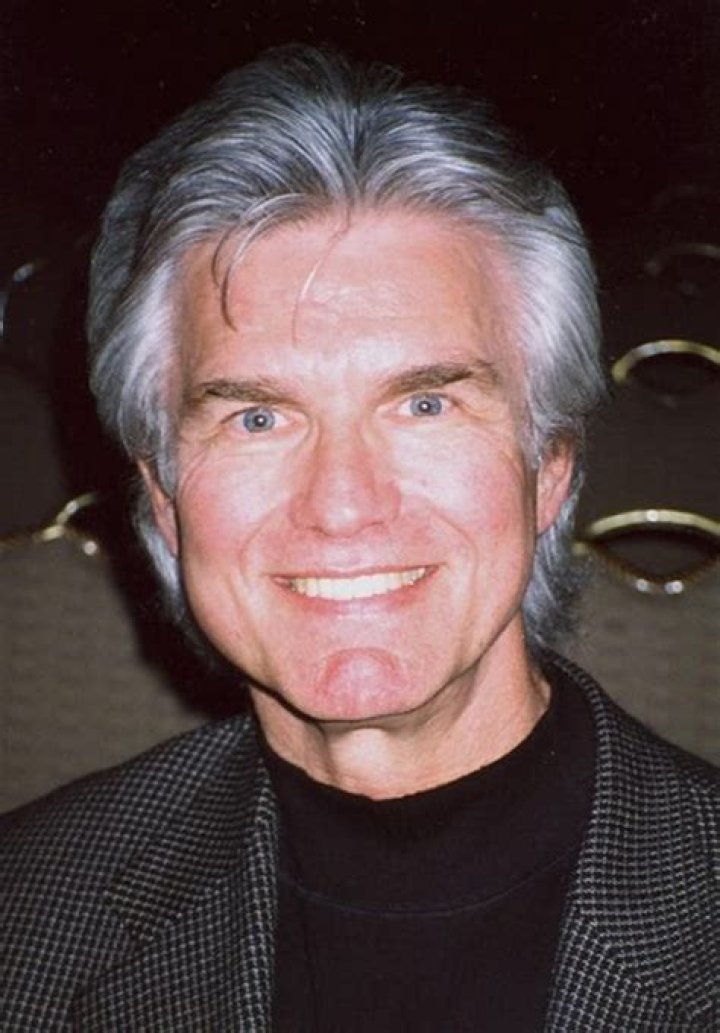
Patrick Hughes III is a renowned American artist and sculptor known for his intricate and large-scale woven wire sculptures. His works explore themes of perception, transformation, and the human condition, and are often inspired by natural forms and the human body.
Hughes's sculptures have been exhibited in museums and galleries around the world, and have received critical acclaim for their beauty, complexity, and emotional resonance. He has also been the recipient of numerous awards and honors, including a Guggenheim Fellowship and a National Endowment for the Arts grant. Hughes's work is significant for its contribution to the field of contemporary sculpture, and for its ability to challenge and inspire viewers.
In this article, we will explore Hughes's artistic practice in more detail, examining his techniques, influences, and the major themes that run through his work. We will also discuss the critical reception of his sculptures and their impact on the art world.
Patrick Hughes III
Patrick Hughes III is a renowned American artist and sculptor known for his intricate and large-scale woven wire sculptures. His works explore themes of perception, transformation, and the human condition, and are often inspired by natural forms and the human body. Here are eight key aspects of his work:
- Materials: Hughes's sculptures are made from woven wire, a material that allows him to create complex and delicate forms.
- Scale: His sculptures are often large-scale, creating a sense of awe and immersion for the viewer.
- Form: Hughes's sculptures are often abstract, but they often suggest natural forms, such as plants, animals, and the human body.
- Perception: Hughes's sculptures play with perception, creating optical illusions and challenging the viewer's sense of reality.
- Transformation: His sculptures often explore the theme of transformation, both in terms of the materials he uses and the forms he creates.
- Human condition: Hughes's sculptures often explore the human condition, examining themes such as vulnerability, isolation, and connection.
- Emotion: Hughes's sculptures are often emotionally resonant, evoking a range of emotions in the viewer.
- Inspiration: Hughes is inspired by a wide range of sources, including nature, science, and the human body.
These key aspects come together to create Hughes's unique and powerful sculptures. His work challenges our perceptions, invites us to reflect on the human condition, and ultimately inspires us to see the world in new ways.
Materials
The choice of materials is essential to Patrick Hughes III's artistic practice. Woven wire is a versatile and challenging material that allows him to create complex and delicate forms. The unique properties of wire allow Hughes to explore themes of perception, transformation, and the human condition in his work.
Wire is a strong and durable material, but it is also flexible and can be manipulated into a variety of shapes. This allows Hughes to create sculptures that are both visually striking and structurally sound. The woven structure of his sculptures creates a sense of transparency and lightness, which contrasts with the solidity of the material. This play on contrasts is a key element of Hughes's work, and it invites viewers to question their perceptions of reality.
The use of woven wire also allows Hughes to explore the theme of transformation. Wire can be twisted, bent, and shaped into a variety of forms, and Hughes uses this malleability to create sculptures that seem to be in a state of flux. His sculptures often appear to be caught in the process of becoming something else, and this sense of movement and change adds to their emotional impact.
Hughes's choice of materials is not simply a matter of aesthetics. The materials he uses are integral to the meaning of his work. Woven wire allows him to explore themes of perception, transformation, and the human condition in a unique and powerful way.
Scale
Patrick Hughes III's sculptures are often large-scale, creating a sense of awe and immersion for the viewer. This scale is not simply a matter of aesthetics; it is integral to the meaning of his work.
- Monumentality: Hughes's large-scale sculptures have a monumental presence, which commands attention and demands respect. They are often placed in public spaces, where they can be encountered by a wide range of people. This public accessibility is important to Hughes, as he wants his work to be experienced by as many people as possible.
- Immersion: The large scale of Hughes's sculptures creates a sense of immersion for the viewer. When standing in front of one of his works, the viewer is surrounded by the sculpture and enveloped in its presence. This immersive experience allows the viewer to connect with the sculpture on a deeper level and to appreciate its intricate details.
- Awe and wonder: The scale of Hughes's sculptures can also evoke a sense of awe and wonder in the viewer. These sculptures are often so large and complex that they defy easy comprehension. This sense of awe can lead to a deeper appreciation of the beauty and power of art.
- Challenge to perception: The large scale of Hughes's sculptures can also challenge the viewer's perception of reality. These sculptures are often so large that they disrupt the viewer's normal sense of scale. This disruption can lead to a new understanding of the world and our place within it.
Hughes's use of scale is a key element of his artistic practice. It allows him to create sculptures that are both visually striking and emotionally resonant. His large-scale sculptures command attention, demand respect, and immerse the viewer in a world of awe and wonder.
Form
Patrick Hughes III's sculptures are often abstract, but they often suggest natural forms, such as plants, animals, and the human body. This interplay between abstraction and representation is a key element of his artistic practice, and it allows him to explore a wide range of themes and ideas.
- Biomorphic forms: Many of Hughes's sculptures have biomorphic forms, meaning that they resemble living organisms. These forms are often abstract, but they retain a sense of organicism. This is evident in works such as "Seed" (2008), which resembles a giant seed pod, and "Embryo" (2010), which suggests a human embryo.
- Natural materials: Hughes often uses natural materials in his sculptures, such as wood, stone, and bone. These materials add to the organic quality of his work and help to create a connection between his sculptures and the natural world.
- Exploration of the human condition: Hughes's sculptures often explore the human condition, and his use of natural forms is often a way of expressing universal human experiences. For example, his sculpture "Nest" (2005) suggests the vulnerability and protectiveness of the human nest, while his sculpture "Exodus" (2010) speaks to the human experience of migration and displacement.
Hughes's use of abstract and natural forms allows him to create sculptures that are both visually striking and emotionally resonant. His work explores the relationship between the natural world and the human world, and it invites viewers to reflect on their own place in the universe.
Perception
Patrick Hughes III's sculptures are known for their ability to play with perception, creating optical illusions and challenging the viewer's sense of reality. This is a key aspect of his artistic practice, and it is one of the things that makes his work so unique and captivating.
Hughes uses a variety of techniques to create optical illusions in his sculptures. One common technique is to use negative space. Negative space is the space around and between objects, and Hughes often uses it to create the illusion of depth and movement. For example, in his sculpture "Vortex" (2005), Hughes uses negative space to create the illusion of a swirling vortex. The viewer's eye is drawn to the center of the sculpture, and the negative space around the vortex creates the illusion of movement.
Another technique that Hughes uses to create optical illusions is to use light and shadow. Light and shadow can be used to create the illusion of depth, shape, and texture. For example, in his sculpture "Shadow Play" (2010), Hughes uses light and shadow to create the illusion of a three-dimensional figure. The figure appears to be floating in space, and the viewer is unsure of its true form.
Hughes's use of optical illusions is not simply a matter of aesthetics. He uses these illusions to challenge the viewer's sense of reality and to explore the nature of perception. His sculptures invite us to question what we see and to consider the different ways that the world can be perceived.
The ability to play with perception is a key component of Patrick Hughes III's artistic practice. It allows him to create sculptures that are both visually striking and intellectually stimulating. His work challenges our assumptions about reality and invites us to see the world in new ways.
Transformation
Transformation is a central theme in the work of Patrick Hughes III. This is evident both in the materials he uses and the forms he creates. Hughes often uses materials that are in a state of flux or transformation, such as wire, which can be bent and shaped into a variety of forms. He also uses natural materials, such as wood and stone, which are subject to the forces of nature and change over time.
The forms that Hughes creates are also often in a state of transformation. His sculptures often appear to be in the process of becoming something else, and they often suggest a sense of movement and change. This is evident in works such as "Seed" (2008), which resembles a giant seed pod that is about to burst open, and "Embryo" (2010), which suggests a human embryo in the early stages of development.
Hughes's exploration of transformation is not simply a matter of aesthetics. He uses transformation as a way to explore the nature of reality and the human condition. His sculptures invite us to consider the impermanence of all things and the constant state of change that we are all subject to. They also remind us of the potential for growth and renewal that is always present, even in the midst of change.
The theme of transformation is essential to understanding the work of Patrick Hughes III. It is a theme that runs through all of his work, and it is one of the things that makes his sculptures so unique and powerful.
Human condition
Patrick Hughes III's sculptures often explore the human condition, examining themes such as vulnerability, isolation, and connection. This is evident in works such as "Nest" (2005), which suggests the vulnerability and protectiveness of the human nest, and "Exodus" (2010), which speaks to the human experience of migration and displacement.
Hughes's exploration of the human condition is not simply a matter of aesthetics. He uses his sculptures to explore the universal human experiences that we all share. His work invites us to reflect on our own vulnerability, our isolation, and our need for connection. It also reminds us of the strength and resilience of the human spirit.
The human condition is a complex and multifaceted topic, and Hughes's sculptures offer a unique and powerful way to explore it. His work is both visually striking and emotionally resonant, and it invites us to reflect on our own lives and the human experience as a whole.
Emotion
Patrick Hughes III's sculptures are known for their ability to evoke a range of emotions in the viewer. This is due in part to his use of materials and forms that are both visually striking and emotionally resonant. For example, his use of delicate wire creates a sense of fragility and vulnerability, while his use of large-scale forms can create a sense of awe and wonder.
Hughes's sculptures also often explore themes that are deeply personal and universal, such as the human condition, transformation, and the search for meaning. This allows viewers to connect with his work on a personal level, and to experience a range of emotions, from joy and hope to sadness and loss.
The emotional resonance of Hughes's sculptures is one of the things that makes his work so powerful and memorable. His sculptures invite viewers to reflect on their own lives and emotions, and to see the world in new ways.
Inspiration
Patrick Hughes III draws inspiration from a wide range of sources, including nature, science, and the human body. This is evident in the forms, materials, and themes that he explores in his sculptures.
- Nature: Hughes is inspired by the forms and patterns found in nature. His sculptures often resemble plants, animals, and other natural objects. For example, his sculpture "Seed" (2008) resembles a giant seed pod, and his sculpture "Embryo" (2010) suggests a human embryo.
- Science: Hughes is also inspired by science and technology. His sculptures often incorporate scientific principles and materials. For example, his sculpture "Vortex" (2005) uses negative space to create the illusion of a swirling vortex, and his sculpture "Quantum" (2010) explores the concept of quantum entanglement.
- Human body: Hughes is fascinated by the human body and its potential for expression. His sculptures often explore the human form and condition. For example, his sculpture "Nest" (2005) suggests the vulnerability and protectiveness of the human nest, and his sculpture "Exodus" (2010) speaks to the human experience of migration and displacement.
Hughes's diverse sources of inspiration contribute to the richness and complexity of his work. His sculptures are both visually striking and intellectually stimulating, and they invite viewers to reflect on the world around them and their place within it.
Patrick Hughes III FAQs
This section addresses frequently asked questions about the renowned American artist and sculptor, Patrick Hughes III, providing concise and informative answers.
Question 1: What is Patrick Hughes III best known for?
Patrick Hughes III is renowned for his intricate and large-scale woven wire sculptures. His works explore themes of perception, transformation, and the human condition, often inspired by natural forms and the human body.
Question 2: What materials does Patrick Hughes III use in his sculptures?
Hughes primarily uses woven wire as his artistic medium. The unique properties of wire allow him to create complex and delicate forms.
Question 3: What is the significance of scale in Patrick Hughes III's sculptures?
Hughes's sculptures are often large-scale, creating a sense of awe and immersion for the viewer. This scale is integral to the meaning of his work, commanding attention and inviting viewers to engage with the sculptures on a deeper level.
Question 4: How does Patrick Hughes III explore the theme of perception in his sculptures?
Hughes uses techniques such as negative space and manipulation of light and shadow to create optical illusions and challenge viewers' perceptions of reality. His sculptures invite us to question what we see and consider the different ways the world can be perceived.
Question 5: What is the central theme of transformation in Patrick Hughes III's sculptures?
Transformation is a key aspect of Hughes's work, explored through the materials he uses and the forms he creates. His sculptures often appear to be in a state of flux, suggesting movement and change. This theme reflects the impermanence of all things and the constant state of change we are all subject to.
Question 6: How do Patrick Hughes III's sculptures explore the human condition?
Hughes's sculptures examine universal human experiences such as vulnerability, isolation, and connection. His works invite us to reflect on our own lives and the shared human experience, reminding us of both our fragility and resilience.
Summary: Patrick Hughes III is an influential artist whose woven wire sculptures explore perception, transformation, and the human condition. His unique use of materials, scale, and optical illusions challenges our perceptions and invites us to reflect on the nature of reality and our place within it.
Transition: To further explore Patrick Hughes III's artistic journey and the evolution of his sculptures, let's delve into a chronological examination of his notable works.
Patrick Hughes III
Patrick Hughes III's innovative sculptures and exploration of perception, transformation, and the human condition offer valuable lessons for aspiring artists. Here are some tips inspired by his artistic approach:
Tip 1: Embrace the Power of Materials: Hughes's mastery of woven wire demonstrates the significance of choosing materials that align with your artistic vision. Explore unconventional materials and experiment with their unique properties to create captivating works.
Tip 2: Consider Scale and Immersion: Hughes's large-scale sculptures evoke awe and invite viewers to engage with his work on a profound level. Consider the impact of scale on your creations and how it can enhance the viewer's experience.
Tip 3: Play with Perception: Challenge viewers' perceptions through optical illusions and unexpected forms, as Hughes does in his sculptures. Experiment with negative space, light, and shadow to create works that question reality and stimulate visual curiosity.
Tip 4: Explore Transformation and Impermanence: Embrace the concept of transformation and impermanence in your art, as seen in Hughes's sculptures that capture moments of change and flux. Convey the dynamic nature of existence and the beauty found in transition.
Tip 5: Connect with the Human Condition: Hughes's sculptures resonate with universal human experiences. Draw inspiration from your own emotions, vulnerabilities, and aspirations, and explore themes that connect with the audience on a personal level.
Tip 6: Seek Inspiration from Diverse Sources: Hughes draws inspiration from nature, science, and the human body. Expand your horizons by exploring a variety of sources that resonate with you and incorporate their essence into your artistic creations.
Tip 7: Embrace Experimentation and Innovation: Hughes's unique artistic style is a testament to the power of experimentation. Don't be afraid to push boundaries, try new techniques, and embrace the unexpected in your artistic journey.
Tip 8: Foster a Connection with Your Audience: Hughes's sculptures invite viewers to engage with his work and contemplate its deeper meanings. Strive to create art that resonates with the audience, provokes thought, and fosters a dialogue between the artist and the viewer.
Summary: By embracing these tips inspired by Patrick Hughes III's artistic approach, aspiring artists can develop a unique style, challenge perceptions, and create meaningful works that connect with the human experience.
Conclusion: Patrick Hughes III's innovative sculptures continue to inspire and challenge the art world. His exploration of perception, transformation, and the human condition serves as a guiding light for artists seeking to create captivating and thought-provoking works.
Conclusion
Patrick Hughes III's innovative sculptures have left an indelible mark on the art world. Through his masterful use of woven wire, exploration of perception, and profound examination of the human condition, he invites viewers to question reality, embrace transformation, and connect with their own vulnerabilities.
Hughes's legacy extends beyond his sculptures; his artistic journey serves as a beacon for aspiring artists. His dedication to experimentation, exploration of diverse sources, and commitment to resonating with the audience offer valuable lessons for those seeking to create meaningful and impactful works.
Unveiling The Art And Legacy Of Botanical Master Carol Honsa
Discover The Hidden Truths Behind Bonnie Raitt's Love Life
Brandon Boyd's Marital Status: Uncovering Love, Commitment, And Rock 'n' Roll
.jpg?maxwidth=3030&maxheight=1950)
.jpg?mode=max)