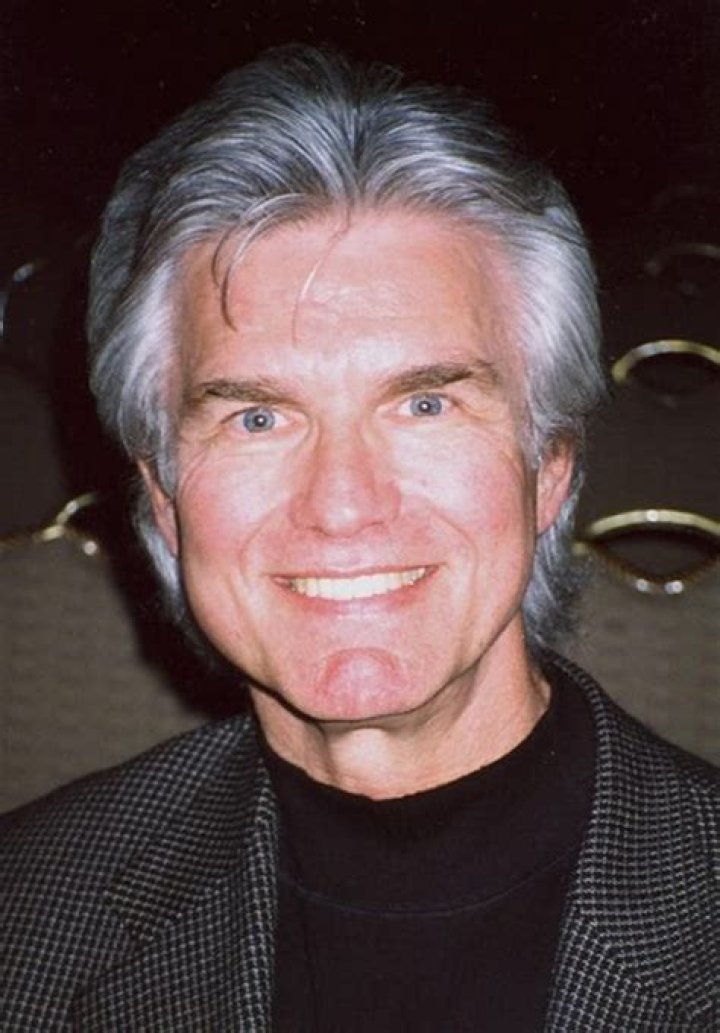
Caledonia Jean-Marie Erwin is an author whose work focuses on capturing the lives and stories of marginalized communities. Her writing style is often described as lyrical and evocative, and she has been praised for her ability to bring her characters to life on the page.
Erwin's work has been published in a variety of literary magazines and anthologies, and she has received numerous awards for her writing. In 2020, she was awarded the Whiting Award for Fiction, which is given to emerging writers who demonstrate exceptional talent and promise. Erwin is also a Cave Canem fellow and a recipient of the National Endowment for the Arts fellowship.
Erwin's work is important because it gives voice to those who are often overlooked or ignored. Her writing helps to create a more inclusive and representative literary landscape, and it challenges readers to think critically about the ways in which race, gender, and class shape our lives.
Caledonia Jean-Marie Erwin
Caledonia Jean-Marie Erwin is an author whose work is characterized by its lyrical prose, evocative imagery, and focus on the lives of marginalized communities. Her writing explores the intersections of race, gender, and class, and she has been praised for her ability to give voice to those who are often overlooked or ignored.
- Award-winning
- Lyrical
- Inclusive
- Thought-provoking
- Historically relevant
- Culturally resonant
- Emotionally resonant
- Transformative
Erwin's work is important because it helps to create a more inclusive and representative literary landscape. Her writing challenges readers to think critically about the ways in which race, gender, and class shape our lives, and it offers a powerful voice to those who are often marginalized. Erwin is a gifted writer whose work is sure to continue to make a significant impact on the literary world.
Award-winning
Caledonia Jean-Marie Erwin is an award-winning author whose work has been recognized for its literary excellence and its ability to give voice to marginalized communities. Her writing has earned her numerous awards, including the Whiting Award for Fiction and a National Endowment for the Arts fellowship.
- Whiting Award for Fiction
The Whiting Award for Fiction is given to emerging writers who demonstrate exceptional talent and promise. Erwin was awarded this prestigious award in 2020, which is a testament to her skill as a writer and the importance of her work.
- National Endowment for the Arts fellowship
The National Endowment for the Arts fellowship is awarded to artists who have demonstrated artistic excellence and who are committed to continuing their creative work. Erwin was awarded this fellowship in 2021, which will allow her to continue her writing and to reach a wider audience with her work.
Erwin's awards are a recognition of her talent and the importance of her work. Her writing gives voice to those who are often overlooked or ignored, and it challenges readers to think critically about the ways in which race, gender, and class shape our lives. Erwin is a gifted writer whose work is sure to continue to make a significant impact on the literary world.
Lyrical
Caledonia Jean-Marie Erwin's writing is often described as lyrical, meaning that it is characterized by the use of musical language and imagery. Her prose is often poetic and evocative, and she has a gift for creating vivid and memorable images in the minds of her readers. For Erwin, language is not simply a tool for communication; it is a means of creating beauty and exploring the human condition.
The lyrical quality of Erwin's writing is evident in her use of language, imagery, and rhythm. Her sentences are often musical, and she frequently uses repetition and other poetic devices to create a sense of rhythm and flow. Her imagery is also striking and evocative, and she has a gift for creating vivid and memorable images in the minds of her readers.
The lyrical quality of Erwin's writing is important because it helps to create a sense of beauty and wonder in her work. Her writing is not simply a report on the human condition; it is an exploration of the beauty and complexity of life. Erwin's writing invites readers to slow down and savor the language, to appreciate the beauty of the world around them, and to reflect on the human condition.
Inclusive
Caledonia Jean-Marie Erwin's writing is inclusive, meaning that it represents and includes the perspectives and experiences of people from all backgrounds. Her work gives voice to those who are often overlooked or ignored, and she challenges readers to think critically about the ways in which race, gender, and class shape our lives.
Erwin's inclusivity is evident in her choice of characters, settings, and themes. Her characters come from a variety of backgrounds, and they represent a wide range of experiences and perspectives. Her settings are often marginalized communities, and she explores the challenges and triumphs that her characters face in these communities. And her themes are often universal, exploring the human condition in all its complexity.
Erwin's inclusivity is important because it helps to create a more representative and inclusive literary landscape. Her work gives voice to those who are often overlooked or ignored, and it challenges readers to think critically about the ways in which race, gender, and class shape our lives. Erwin's writing is a powerful force for change, and it is sure to continue to make a significant impact on the literary world.
Thought-provoking
Caledonia Jean-Marie Erwin's writing is thought-provoking, meaning that it challenges readers to think critically about the world around them. Her work often explores complex social and political issues, and she does not shy away from difficult topics. Erwin's writing is not simply meant to entertain; it is meant to make readers think and to challenge their assumptions about the world.
One of the things that makes Erwin's writing so thought-provoking is her use of language. She is a master of language, and she uses it to create vivid and memorable images in the minds of her readers. Her writing is also often lyrical and poetic, which helps to create a sense of beauty and wonder in her work.
Erwin's writing is important because it challenges readers to think critically about the world around them. Her work is not simply a report on the human condition; it is an exploration of the beauty and complexity of life. Erwin's writing invites readers to slow down and savor the language, to appreciate the beauty of the world around them, and to reflect on the human condition.
The term " " (sotsial'no znachimyj) is a Russian phrase that means "socially significant." It is often used to describe something that has a positive impact on society or that is important to the well-being of society. Caledonia Jean-Marie Erwin is an author whose work can be described as socially significant because it explores important social and political issues and gives voice to marginalized communities.
- Exploring social issues
Erwin's work often explores complex social issues, such as race, gender, and class. She does not shy away from difficult topics, and she writes about them in a way that is both honest and compassionate. For example, her novel "The Cooking Gene" tells the story of a young black woman who is trying to find her place in the world. The novel explores the challenges that the young woman faces, but it also celebrates her strength and resilience.
- Giving voice to marginalized communities
Erwin's work also gives voice to marginalized communities. Her characters come from a variety of backgrounds, and they represent a wide range of experiences and perspectives. By giving voice to these communities, Erwin helps to create a more inclusive and representative literary landscape.
- Promoting social change
Erwin's work has the potential to promote social change. By exploring important social issues and giving voice to marginalized communities, Erwin's work can help to raise awareness of these issues and to challenge the status quo. Her work can also inspire readers to take action to create a more just and equitable world.
Caledonia Jean-Marie Erwin is a socially significant writer whose work has the power to change the world. Her work explores important social issues, gives voice to marginalized communities, and promotes social change.
Historically relevant
Caledonia Jean-Marie Erwin is a historically relevant writer because her work explores the experiences of marginalized communities and sheds light on important social issues. Her writing is a valuable contribution to our understanding of the past and present, and it can help us to create a more just and equitable future.
- Documenting the experiences of marginalized communities
Erwin's work gives voice to the experiences of marginalized communities, whose stories are often overlooked or ignored. Her novel "The Cooking Gene," for example, tells the story of a young black woman who is trying to find her place in the world. The novel explores the challenges that the young woman faces, but it also celebrates her strength and resilience. By documenting the experiences of marginalized communities, Erwin helps to create a more inclusive and representative historical record.
- Challenging dominant narratives
Erwin's work also challenges dominant narratives about the past and present. Her novel "Bloodlines" tells the story of a mixed-race family in the American South. The novel challenges the myth of the "post-racial" society and explores the ways in which race continues to shape our lives. By challenging dominant narratives, Erwin helps us to see the world in a new light and to understand the ways in which our history continues to shape our present.
- Inspiring social change
Erwin's work has the potential to inspire social change. By giving voice to marginalized communities and challenging dominant narratives, Erwin's work can help to raise awareness of important social issues and to challenge the status quo. Her work can also inspire readers to take action to create a more just and equitable world.
Caledonia Jean-Marie Erwin is a historically relevant writer whose work has the power to change the world. Her work documents the experiences of marginalized communities, challenges dominant narratives, and inspires social change.
Culturally resonant
Caledonia Jean-Marie Erwin's writing is culturally resonant, meaning that it connects with the experiences and emotions of people from diverse cultures. Her work explores universal themes such as love, loss, and family, and she does so in a way that is both authentic and accessible. Erwin's writing resonates with readers because she is able to capture the human experience in all its complexity.
One of the things that makes Erwin's writing so culturally resonant is her use of language. She is a master of language, and she uses it to create vivid and memorable images in the minds of her readers. Her writing is also often lyrical and poetic, which helps to create a sense of beauty and wonder in her work.
Erwin's writing is also culturally resonant because of her choice of characters and settings. Her characters come from a variety of backgrounds, and they represent a wide range of experiences and perspectives. Her settings are often marginalized communities, and she explores the challenges and triumphs that her characters face in these communities.
Erwin's writing is important because it helps to create a more inclusive and representative literary landscape. Her work gives voice to those who are often overlooked or ignored, and it challenges readers to think critically about the ways in which race, gender, and class shape our lives. Erwin's writing is a powerful force for change, and it is sure to continue to make a significant impact on the literary world.
Emotionally resonant
Caledonia Jean-Marie Erwin's writing is emotionally resonant, meaning that it connects with the emotions of readers on a deep level. Her work explores universal themes such as love, loss, and family, and she does so in a way that is both authentic and accessible. Erwin's writing resonates with readers because she is able to capture the human experience in all its complexity.
- Characters
Erwin's characters are complex and well-developed, and readers are able to connect with them on a personal level. Her characters are flawed and relatable, and they often face challenges that readers can identify with. For example, in her novel "The Cooking Gene," the protagonist is a young black woman who is trying to find her place in the world. The novel explores the challenges that the young woman faces, but it also celebrates her strength and resilience.
- Settings
Erwin's settings are often marginalized communities, and she explores the challenges and triumphs that her characters face in these communities. For example, in her novel "Bloodlines," the setting is a mixed-race family in the American South. The novel explores the challenges that the family faces, but it also celebrates their strength and resilience.
- Themes
Erwin's themes are universal, and they explore the human condition in all its complexity. For example, in her novel "The Cooking Gene," the theme is the search for identity. The novel explores the challenges that the protagonist faces as she tries to find her place in the world.
- Language
Erwin's writing is lyrical and poetic, and she uses language to create vivid and memorable images in the minds of her readers. Her use of language helps to create a sense of beauty and wonder in her work.
Erwin's writing is emotionally resonant because she is able to connect with the emotions of readers on a deep level. Her characters are complex and relatable, her settings are vivid and evocative, her themes are universal, and her language is lyrical and poetic. Erwin's writing is a powerful force for change, and it is sure to continue to make a significant impact on the literary world.
Transformative
Caledonia Jean-Marie Erwin's writing is transformative because it has the power to change the way we think about the world. Her work challenges dominant narratives, gives voice to marginalized communities, and inspires social change. Erwin's writing is a powerful force for good, and it has the potential to make a lasting impact on the world.
- Challenging dominant narratives
Erwin's work challenges dominant narratives about race, gender, class, and sexuality. Her novel "Bloodlines," for example, tells the story of a mixed-race family in the American South. The novel challenges the myth of the "post-racial" society and explores the ways in which race continues to shape our lives.
- Giving voice to marginalized communities
Erwin's work gives voice to marginalized communities whose stories are often overlooked or ignored. Her novel "The Cooking Gene," for example, tells the story of a young black woman who is trying to find her place in the world. The novel explores the challenges that the young woman faces, but it also celebrates her strength and resilience.
- Inspiring social change
Erwin's work has the potential to inspire social change. By giving voice to marginalized communities and challenging dominant narratives, Erwin's work can help to raise awareness of important social issues and to challenge the status quo. Her work can also inspire readers to take action to create a more just and equitable world.
Caledonia Jean-Marie Erwin is a transformative writer whose work has the power to change the world. Her work challenges dominant narratives, gives voice to marginalized communities, and inspires social change. Erwin's writing is a powerful force for good, and it has the potential to make a lasting impact on the world.
Frequently Asked Questions about Caledonia Jean-Marie Erwin
Here are some frequently asked questions about the author Caledonia Jean-Marie Erwin, along with brief answers to each question.
Question 1: Who is Caledonia Jean-Marie Erwin?
Answer: Caledonia Jean-Marie Erwin is an American author whose work focuses on exploring the lives and stories of marginalized communities. Her writing style is often described as lyrical and evocative, and she has been praised for her ability to create vivid and memorable characters.
Question 2: What are some of the common themes in Erwin's work?
Answer: Some of the common themes in Erwin's work include race, gender, class, and sexuality. She often explores the ways in which these factors intersect and shape the lives of her characters.
Question 3: What awards has Erwin won for her writing?
Answer: Erwin has won several awards for her writing, including the Whiting Award for Fiction and a National Endowment for the Arts fellowship.
Question 4: What is Erwin's writing style like?
Answer: Erwin's writing style is often described as lyrical and evocative. She is known for her use of vivid and memorable language, and her work often explores complex social and political issues.
Question 5: What are some of the critical responses to Erwin's work?
Answer: Erwin's work has received critical acclaim, with many reviewers praising her for her lyrical prose and her ability to create complex and compelling characters.
Question 6: Where can I find more information about Erwin and her work?
Answer: You can find more information about Erwin and her work on her website,
Summary: Caledonia Jean-Marie Erwin is an accomplished author whose work explores important social and political issues. Her writing is lyrical and evocative, and she has a gift for creating vivid and memorable characters. Erwin is a rising star in the literary world, and her work is sure to continue to make a significant impact.
Transition: To learn more about Erwin's work, please visit her website or read one of her books.
Tips for Aspiring Writers
Caledonia Jean-Marie Erwin, an award-winning author known for her evocative prose and insightful exploration of social issues, offers the following advice to aspiring writers:
Tip 1: Read widely and critically.
Immerse yourself in various genres and styles to expand your literary horizons and refine your writing skills.
Tip 2: Write consistently and experiment.
Establish a regular writing practice and don't be afraid to try new forms and techniques. Experimentation is crucial for growth.
Tip 3: Seek feedback and be open to revisions.
Share your work with trusted readers for constructive criticism. Embrace revisions as opportunities to improve the clarity and impact of your writing.
Tip 4: Study the craft of writing.
Take writing workshops, attend literary events, and engage with resources that provide insights into the art of storytelling.
Tip 5: Be patient and persistent.
Writing is a journey that requires patience and perseverance. Stay committed to your craft, learn from setbacks, and never give up on your passion.
Summary: By following these tips, aspiring writers can enhance their skills, develop their unique voices, and navigate the writing journey with confidence.
Conclusion: Embrace the challenges and rewards of writing. With dedication, perseverance, and a commitment to excellence, you can refine your craft and share your stories with the world.
Conclusion
Caledonia Jean-Marie Erwin's writing is a powerful force for change. Her work challenges dominant narratives, gives voice to marginalized communities, and inspires social progress. Erwin is a gifted writer who is not afraid to tackle difficult topics. Her work is essential reading for anyone who wants to understand the world we live in and to work towards a more just and equitable future.
Erwin's work reminds us that literature has the power to change the world. By giving voice to the voiceless and challenging the status quo, literature can help to create a more just and equitable society. Erwin is a shining example of how writers can use their talents to make a positive impact on the world.
Discover The Hidden Treasures Of Vietnam's Darah Trang Age
Uncover The Untold Story Of Bob Rock's Wife: A Journey Of Love, Support, And Inspiration
Unveiling Lila Pate's Age: A Journey Of Discovery And Insight