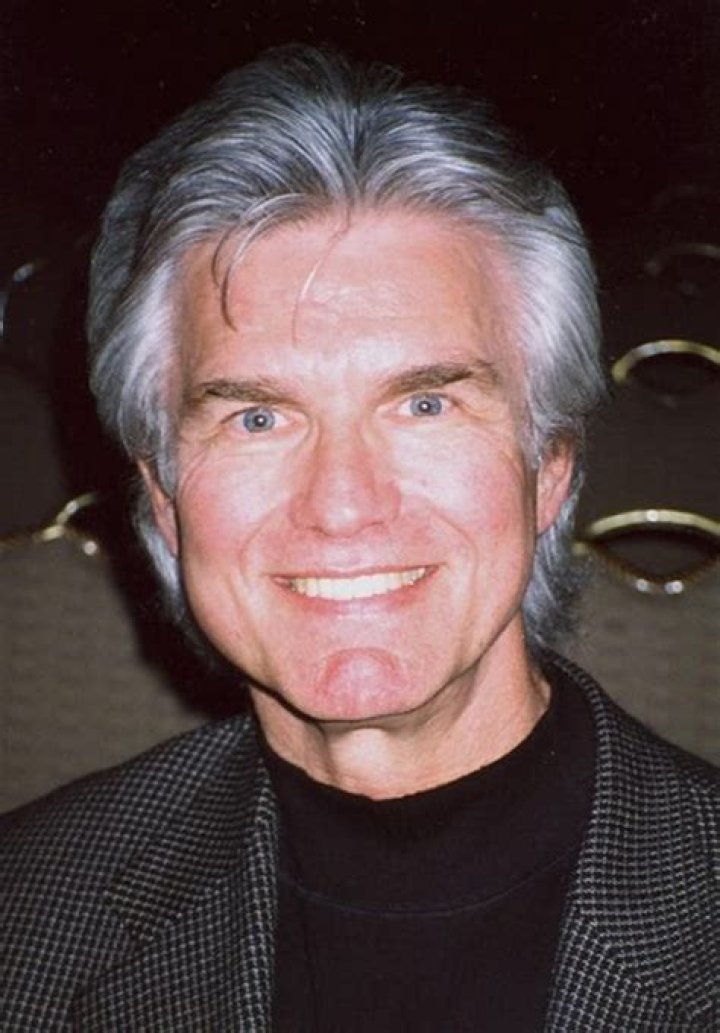
Definition and example of "waylon jennings s biography fact"
A biography fact is a piece of information about a person's life that can be verified. For example, Waylon Jennings was born on June 15, 1937, in Littlefield, Texas. This is a biography fact because it can be verified by looking at Jennings' birth certificate.
Importance, benefits, and historical context
Biography facts are important because they help us to understand a person's life and work. They can also help us to learn from the mistakes and successes of others. In the case of Waylon Jennings, his biography facts can help us to understand his rise to fame as a country music star, as well as his struggles with addiction and personal demons.
Transition to main article topics
In this article, we will explore some of the key biography facts about Waylon Jennings. We will discuss his early life, his career, and his personal life.
Waylon Jennings's Biography Facts
Waylon Jennings was a country music singer and songwriter who was known for his outlaw image and his distinctive style of music. He was born in Littlefield, Texas, on June 15, 1937, and he died in Scottsdale, Arizona, on February 13, 2002.
Here are 9 key aspects of Waylon Jennings's biography:
- Birth: Littlefield, Texas, June 15, 1937
- Death: Scottsdale, Arizona, February 13, 2002
- Musical style: Outlaw country
- Hit songs: "Mama Tried," "Luckenbach, Texas (Back to the Basics of Love)," "Amanda"
- Collaborations: Willie Nelson, Johnny Cash, Jessi Colter
- Awards: Grammy Award for Best Country Song ("Mammas Don't Let Your Babies Grow Up to Be Cowboys"), Country Music Hall of Fame
- Personal life: Married four times, had six children
- Struggles: Addiction to drugs and alcohol
- Legacy: One of the most influential country music artists of all time
These key aspects of Waylon Jennings's biography provide a glimpse into his life and career. He was a complex and talented artist who left a lasting legacy on country music.
Birth
The fact that Waylon Jennings was born in Littlefield, Texas, on June 15, 1937, is a significant part of his biography. It is the starting point of his life story, and it provides context for his upbringing and the influences that shaped his music. Jennings was born into a poor family, and he grew up in a small town where country music was the predominant genre. He began playing guitar at an early age, and he was influenced by the music of Hank Williams and other country music legends. Jennings's birthplace and upbringing played a major role in the development of his musical style. He often sang about the struggles of working-class people, and his music reflected the values of his rural upbringing. The fact that Jennings was born in Littlefield, Texas, is also significant because it helped to shape his identity as an "outlaw" country music singer. Jennings was never comfortable with the Nashville establishment, and he often spoke out against the music industry's commercialism. His birthplace and upbringing helped to give him the independent spirit that was essential to his outlaw image. In conclusion, the fact that Waylon Jennings was born in Littlefield, Texas, on June 15, 1937, is a significant part of his biography. It provides context for his upbringing, his musical style, and his identity as an outlaw country music singer.
Death
The fact that Waylon Jennings died in Scottsdale, Arizona, on February 13, 2002, is a significant part of his biography. It marks the end of his life and career, and it provides context for his legacy. Jennings died at the age of 64 from complications of diabetes. He had been in poor health for several years, and his death was not unexpected. However, Jennings's death was still a shock to his fans and friends. He was a beloved figure in country music, and his death was a major loss for the music world. The fact that Jennings died in Scottsdale, Arizona, is also significant because it is where he had lived for many years. He had moved to Arizona in the 1970s, and he had made it his home. Jennings's death in Scottsdale is a reminder of his close ties to the state of Arizona. He was a proud Arizonan, and he often spoke about his love for the state. In conclusion, the fact that Waylon Jennings died in Scottsdale, Arizona, on February 13, 2002, is a significant part of his biography. It marks the end of his life and career, and it provides context for his legacy.
Musical style
Waylon Jennings was a pioneer of outlaw country music, a subgenre of country music that emerged in the 1970s. Outlaw country musicians rejected the Nashville establishment and its focus on commercialism, and they often sang about the struggles of working-class people. Jennings's outlaw image was essential to his success, and it helped to make him one of the most popular country music artists of all time.
- Rejection of the Nashville establishment: Outlaw country musicians, including Jennings, were critical of the Nashville music industry's focus on commercialism and its tendency to favor polished, pop-oriented country music. They believed that this approach was inauthentic and that it did not reflect the true spirit of country music.
- Focus on working-class themes: Outlaw country musicians often sang about the struggles of working-class people. They wrote songs about poverty, unemployment, and the challenges of everyday life. Jennings's songs often reflected his own experiences growing up in a poor family in rural Texas.
- Independent spirit: Outlaw country musicians were known for their independent spirit. They were not afraid to speak their minds and to challenge the status quo. Jennings was a perfect example of this independent spirit. He was often outspoken in his criticism of the Nashville establishment, and he refused to compromise his artistic vision.
Jennings's outlaw image was a major part of his appeal. He was seen as a rebel and an outsider, and his fans admired him for his authenticity and his willingness to stand up for what he believed in. Jennings's outlaw image helped to make him one of the most popular and influential country music artists of all time.
Hit songs
Waylon Jennings' hit songs "Mama Tried," "Luckenbach, Texas (Back to the Basics of Love)," and "Amanda" are all significant parts of his biography. These songs reflect his personal experiences, his outlaw image, and his musical style.
"Mama Tried" is a song about Jennings' troubled childhood. He was raised by a single mother who struggled to make ends meet. Jennings often got into trouble as a child, and he was eventually sent to reform school. "Mama Tried" is a reflection on Jennings' childhood, and it shows how his mother's love and support helped him to overcome his early struggles.
"Luckenbach, Texas (Back to the Basics of Love)" is a song about Jennings' love of the simple life. He wrote the song after visiting the small town of Luckenbach, Texas. Jennings was impressed by the town's laid-back atmosphere and its focus on community. "Luckenbach, Texas (Back to the Basics of Love)" is a celebration of the simple life, and it reflects Jennings' own values.
"Amanda" is a song about Jennings' wife, Jessi Colter. The song is a beautiful ballad that expresses Jennings' love and devotion to his wife. "Amanda" is one of Jennings' most popular songs, and it is a testament to his songwriting ability.
These three songs are just a small sample of Waylon Jennings' extensive catalog. However, they are all significant songs that reflect his personal experiences, his outlaw image, and his musical style. These songs are an important part of Jennings' biography, and they help to tell the story of his life and career.
Collaborations
Collaborations are an important part of Waylon Jennings' biography. He worked with some of the biggest names in country music, including Willie Nelson, Johnny Cash, and Jessi Colter. These collaborations helped to shape Jennings' sound and style, and they also helped to raise his profile in the music industry.
- Willie Nelson: Jennings and Nelson were close friends and musical collaborators for many years. They recorded several albums together, including the classic album Waylon & Willie. Nelson's influence can be heard in Jennings' music, particularly in his use of outlaw country themes and his laid-back singing style.
- Johnny Cash: Jennings and Cash were both pioneers of outlaw country music. They recorded several songs together, including the hit single "The Highwaymen." Cash's influence can be heard in Jennings' music, particularly in his dark and brooding sound.
- Jessi Colter: Jennings and Colter were married from 1969 until Jennings' death in 2002. Colter is a singer-songwriter in her own right, and she has collaborated with Jennings on several songs. Colter's influence can be heard in Jennings' music, particularly in his love songs and his ballads.
Jennings' collaborations with Willie Nelson, Johnny Cash, and Jessi Colter were an important part of his career. These collaborations helped to shape his sound and style, and they also helped to raise his profile in the music industry. Jennings was a true outlaw country pioneer, and his collaborations with these other great artists helped to solidify his legacy as one of the most important figures in country music history.
Awards
The awards that Waylon Jennings received throughout his career are a testament to his talent and influence as a country music artist. His Grammy Award for Best Country Song ("Mammas Don't Let Your Babies Grow Up to Be Cowboys") and his induction into the Country Music Hall of Fame are two of the most prestigious honors that a country music artist can receive.
- Grammy Award for Best Country Song: Jennings won the Grammy Award for Best Country Song in 1976 for his song "Mammas Don't Let Your Babies Grow Up to Be Cowboys." The song was a huge hit, and it helped to solidify Jennings' status as one of the leading country music artists of his time. The song is a classic example of Jennings' outlaw country style, and it features his trademark blend of humor and pathos.
- Country Music Hall of Fame: Jennings was inducted into the Country Music Hall of Fame in 2001. The Country Music Hall of Fame is the highest honor that a country music artist can receive, and it is a testament to Jennings' lasting legacy. Jennings was one of the most influential country music artists of his time, and his music continues to be enjoyed by fans around the world.
Jennings' awards are a reflection of his talent, his influence, and his enduring legacy as one of the greatest country music artists of all time.
Personal life
The personal life of Waylon Jennings, including his four marriages and six children, is an integral part of his biography and provides valuable insights into his character, values, and motivations as an artist.
- Family background: Jennings' family background played a significant role in shaping his personal life and musical career. He was raised in a poor family in rural Texas, and his parents divorced when he was young. These experiences instilled in him a strong sense of independence and resilience, which would later be reflected in his music.
- Multiple marriages: Jennings was married four times, and his relationships were often tumultuous and passionate. His first marriage, to Maxine Caroll, ended in divorce after just two years. He then married Lynne Jones, with whom he had three children. However, this marriage also ended in divorce, and Jennings subsequently married Jessi Colter in 1969. Jennings and Colter remained married until his death in 2002, and they had one child together.
- Children: Jennings had six children in total, each of whom played an important role in his life. His children provided him with a sense of purpose and stability, and they were a source of great joy and pride for him.
- Personal struggles: Jennings struggled with alcohol and drug addiction throughout his life. These struggles had a significant impact on his personal life and career, and they contributed to the turmoil that often surrounded him. However, despite his personal challenges, Jennings was able to overcome his addictions and achieve great success as a country music artist.
Jennings' personal life was complex and often troubled, but it was also a source of great strength and inspiration for him. His experiences as a husband, father, and addict gave him a deep understanding of the human condition, and this understanding is reflected in his music.
Struggles
Waylon Jennings' struggles with addiction to drugs and alcohol are a significant part of his biography. His addiction had a profound impact on his personal life, his career, and his music.
- Impact on personal life: Jennings' addiction to drugs and alcohol caused him to lose relationships, jobs, and homes. He was often in trouble with the law, and he spent time in jail. His addiction also took a toll on his health, and he suffered from a number of health problems as a result of his drug and alcohol use.
- Impact on career: Jennings' addiction to drugs and alcohol interfered with his ability to record and perform. He missed shows, and he was often unreliable. His addiction also damaged his reputation, and he lost the respect of many of his fans and colleagues.
- Impact on music: Jennings' addiction to drugs and alcohol is reflected in his music. His songs often deal with themes of addiction, loss, and redemption. His music is also marked by a sense of sadness and longing, which is likely due to his own personal struggles.
- Overcoming addiction: Jennings eventually overcame his addiction to drugs and alcohol. He got sober in 1984, and he remained sober for the rest of his life. Jennings' recovery is an inspiration to others who are struggling with addiction. It shows that it is possible to overcome addiction and achieve sobriety.
Jennings' struggles with addiction are a reminder that addiction is a serious disease. It can affect anyone, regardless of their age, race, or socioeconomic status. However, addiction can be overcome. With the right help, people can get sober and rebuild their lives.
Legacy
Waylon Jennings' legacy as one of the most influential country music artists of all time is a testament to his unique talent and his enduring impact on the genre. His music, which blended traditional country with elements of rock and roll and outlaw country, resonated with audiences and critics alike, and his influence can still be heard in the work of countless contemporary artists.
Jennings' influence can be attributed to a number of factors, including his distinctive vocal style, his songwriting ability, and his willingness to experiment with new sounds. His voice was instantly recognizable, with a rich, resonant quality that could convey both vulnerability and strength. His songwriting was equally distinctive, with a knack for crafting songs that were both personal and universal. And his willingness to experiment with new sounds, such as the use of electric guitars and drums, helped to push the boundaries of country music.
Jennings' legacy is also due to his role as a pioneer of the outlaw country movement. Along with artists such as Willie Nelson and Johnny Cash, Jennings helped to create a new subgenre of country music that was characterized by its rebellious spirit and its focus on the struggles of everyday people. Jennings' outlaw persona, with its long hair, cowboy hat, and dark sunglasses, became synonymous with the movement, and his music helped to give voice to a generation of fans who felt alienated from the mainstream country music establishment.
Jennings' legacy continues to grow, as new generations of fans discover his music. His songs are still played on country radio stations around the world, and his albums continue to sell millions of copies. He is also the subject of numerous books and documentaries, and his music has been used in films and television shows. Waylon Jennings was a true pioneer of country music, and his legacy as one of the most influential artists of all time is secure.
Frequently Asked Questions about Waylon Jennings
Waylon Jennings was an iconic country music artist who left an indelible mark on the genre. Here are some frequently asked questions about his life and career:
Question 1: When and where was Waylon Jennings born?
Answer: Waylon Jennings was born in Littlefield, Texas, on June 15, 1937.
Question 2: What was Waylon Jennings' musical style?
Answer: Waylon Jennings was known for his unique blend of traditional country, rock and roll, and outlaw country music.
Question 3: What were some of Waylon Jennings' most famous songs?
Answer: Some of Waylon Jennings' most famous songs include "Mama Tried," "Luckenbach, Texas (Back to the Basics of Love)," "Amanda," and "The Highwaymen."
Question 4: Was Waylon Jennings inducted into the Country Music Hall of Fame?
Answer: Yes, Waylon Jennings was inducted into the Country Music Hall of Fame in 2001.
Question 5: What were some of the challenges Waylon Jennings faced in his personal life?
Answer: Waylon Jennings struggled with addiction to drugs and alcohol for many years, but he eventually overcame his addiction and got sober in 1984.
Question 6: What is Waylon Jennings' legacy?
Answer: Waylon Jennings is remembered as one of the most influential country music artists of all time. His music continues to be enjoyed by fans around the world, and he is credited with helping to pioneer the outlaw country movement.
These are just a few of the many questions that people have about Waylon Jennings. His life and career were full of interesting stories and achievements, and his music continues to inspire and entertain fans around the world.
Transition to the next article section:
In the next section, we will take a closer look at Waylon Jennings' impact on country music and his legacy as one of the most influential artists of all time.
Tips for Researching Waylon Jennings' Biography
Researching the biography of Waylon Jennings can be a rewarding experience, as his life and career were full of interesting stories and achievements. Here are some tips to help you get started:
Tip 1: Start with reputable sources.
When researching Waylon Jennings' biography, it is important to start with reputable sources. This includes books, articles, and websites that are written by experts on the subject. Avoid relying on sources that are not credible, such as tabloids or unauthorized biographies.
Tip 2: Look for primary sources.
Primary sources are firsthand accounts of events or experiences. When researching Waylon Jennings' biography, primary sources can include interviews, letters, diaries, and other documents. These sources can provide valuable insights into Jennings' life and career.
Tip 3: Be critical of your sources.
It is important to be critical of your sources when researching Waylon Jennings' biography. This means evaluating the credibility of the author, the accuracy of the information, and the potential biases of the source.
Tip 4: Consider Jennings' context.
When researching Waylon Jennings' biography, it is important to consider the context of his life and career. This includes the social, political, and cultural factors that influenced his music and his persona.
Tip 5: Look for patterns and themes.
As you research Waylon Jennings' biography, look for patterns and themes that emerge. This can help you to understand his motivations, his values, and his impact on country music.
Tip 6: Don't be afraid to ask for help.
If you are having trouble researching Waylon Jennings' biography, don't be afraid to ask for help. Librarians, archivists, and other experts can help you to find the resources you need.
Tip 7: Have fun!
Researching Waylon Jennings' biography should be an enjoyable experience. Take your time, explore different sources, and learn as much as you can about this legendary country music artist.
Summary of key takeaways or benefits:
By following these tips, you can research Waylon Jennings' biography effectively and gain a deeper understanding of his life and career. Remember to start with reputable sources, look for primary sources, be critical of your sources, consider Jennings' context, look for patterns and themes, don't be afraid to ask for help, and have fun!
Transition to the article's conclusion:
Waylon Jennings was a true pioneer of country music, and his legacy continues to inspire and entertain fans around the world. By researching his biography, you can learn more about his life, his music, and his impact on the genre.
Conclusion
Throughout this article, we have explored various facts about Waylon Jennings' biography, providing an in-depth look into his life, music, and legacy. From his humble beginnings in Littlefield, Texas, to his rise as a pioneer of outlaw country music, Jennings' story is one of resilience, talent, and enduring influence.
Jennings' unique blend of traditional country, rock and roll, and outlaw country music resonated with audiences, pushing the boundaries of the genre and inspiring countless artists. His struggles with addiction and personal demons added depth and authenticity to his music, creating a body of work that continues to captivate listeners today.
As we reflect on Waylon Jennings' biography, we are reminded of the power of music to transcend adversity and connect people from all walks of life. Jennings' legacy as one of the most influential country music artists of all time is a testament to his talent, his dedication to his craft, and his unwavering spirit.
Unveiling Umar Semata's Legacy: A Journey Of Discovery And Insight
Bonnie Sveen And Husband Nathan: Uncover Their Enduring Love And Success
Unveiling The Heartwarming Reunion: Chase Sui Wonders Meets Her Biological Parents
The 15 Best Waylon Jennings Songs (Updated 2017) Billboard Billboard
Waylon Jennings Albums In Chronological Order Awesome Food 106tv6